

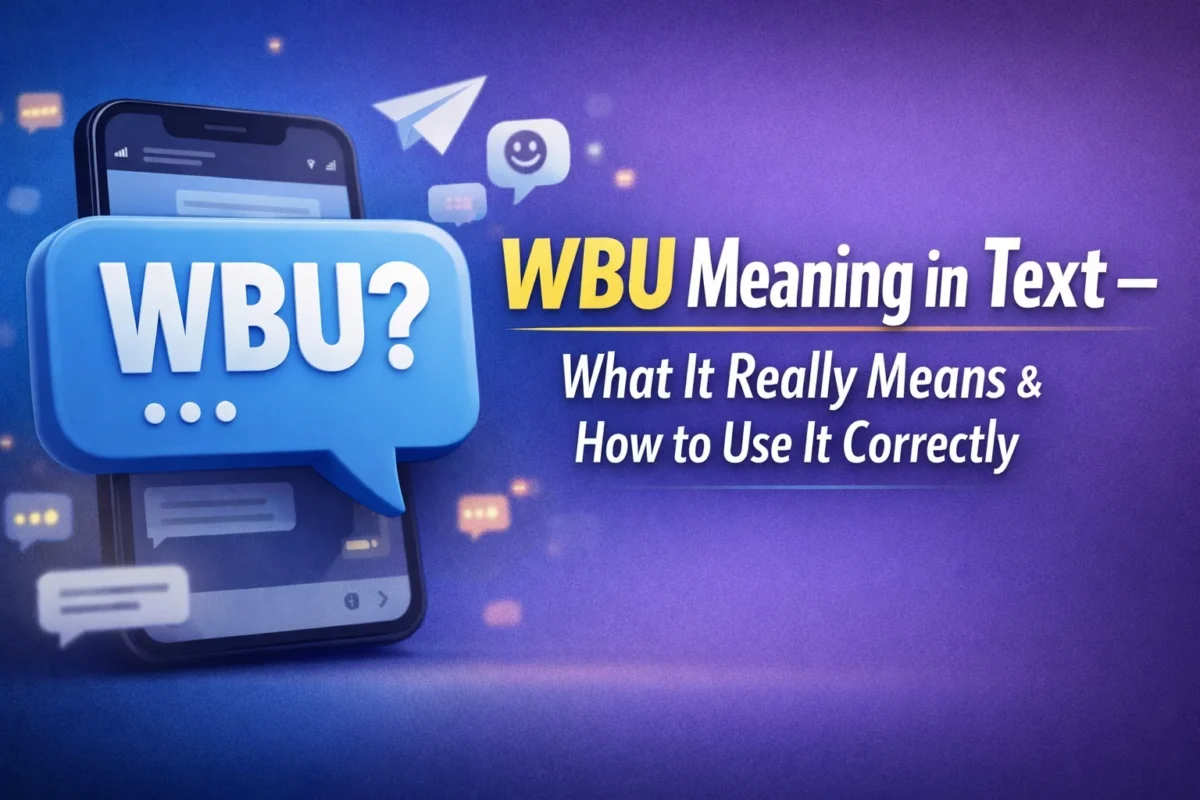
Texting is full of abbreviations, emojis, and shorthand that can confuse anyone not familiar with the trends. One of the most common abbreviations you’ll see in messages, DMs, or social media chats is WBU. If you’ve ever received a text with “WBU” and paused, wondering what it meant, you’re not alone. This guide dives deep into WBU meaning in text, its correct usage, and everything you need to know to use it naturally in conversations.
What Does WBU Mean?
At its core, WBU stands for “What about you?”. It’s a short and casual way to turn a conversation back to the other person. Think of it as the texting version of politely asking, “How are you?” or “What are your thoughts?” after sharing something about yourself.
The acronym is widely used in messaging apps, social media comments, and even emails among younger audiences who favor a quick, conversational tone.
The Origin of WBU
Texting abbreviations like WBU originated in the early 2000s, when SMS character limits forced people to shorten sentences. Over time, acronyms like LOL (Laugh Out Loud), BRB (Be Right Back), and WBU became second nature for anyone texting frequently.
Today, WBU is recognized globally, used primarily by teens, young adults, and anyone who communicates quickly through informal digital platforms.
Why WBU Is Popular
- Brevity: It’s just three letters but carries a complete thought.
- Conversational tone: It invites engagement without sounding formal.
- Flexibility: Works in multiple contexts, from casual chats to friendly check-ins.
How to Use WBU Correctly
Using WBU might seem simple, but context is key. The tone, platform, and audience all affect whether it’s appropriate or awkward.
Texting With Friends
WBU is perfect for casual conversations. For example:
- “I’m chilling at home tonight. WBU?”
- “Just grabbed lunch. WBU?”
It shows you’re interested in the other person and keeps the conversation flowing naturally.
Professional or Formal Contexts
Avoid WBU in professional emails or LinkedIn messages. In formal settings, it may seem too casual or unprofessional. Instead, use alternatives like:
- “How are you today?”
- “What’s your perspective?”
Different Platforms
- Social Media: WBU is widely used on Instagram DMs, Facebook Messenger, and Twitter replies.
- Messaging Apps: WhatsApp, Snapchat, and Discord users often use WBU in casual exchanges.
- Gaming Chats: Gamers use it to keep conversations brief and fast-paced during play.
Tone Considerations
WBU can express friendliness, curiosity, or flirtation. Emojis often help clarify tone:
- “Just finished work, WBU? 😊” – friendly check-in
- “Watching a movie, WBU? 😏” – flirtatious tone
Examples of WBU in Conversation
Here’s a table showing realistic uses of WBU in different contexts:
| Sender | Message | Meaning/Intent |
| A | “I’m good, WBU?” | Asking how the other person is doing |
| B | “Just finished work, WBU?” | Casual check-in |
| C | “Going to the gym, WBU?” | Inviting conversation or shared activity |
| D | “Eating pizza 🍕 WBU?” | Informal, playful check-in |
Notice how the tone and context change the meaning slightly. WBU always redirects the conversation to the other person, but emojis, timing, and phrasing can add layers of nuance.
Variations and Related Acronyms
Texting abbreviations often have siblings or variants. Knowing these can prevent miscommunication:
- WYB: “What you been?” – more common among teens or casual online slang
- WU: “What’s up?” – similar tone, but slightly different intent
- HMU: “Hit me up” – often used to suggest continuing a conversation later
Subtle Differences
WBU specifically asks about the other person in relation to your message, whereas WYB and WU can feel more general or casual.
Regional & Generational Use
- Younger users (Gen Z) favor WBU in social media and texts
- Older users might prefer full phrases like “How about you?”
Understanding these nuances can help prevent tone misunderstandings, especially across age groups or regions.
Common Mistakes With WBU
Even small acronyms can be misused. Here’s what to watch for:
- Using in formal settings: WBU in a work email can feel inappropriate
- Misinterpreting tone: Without context or emojis, WBU might sound abrupt
- Confusing with other acronyms: WYB and WBU look similar but have different meanings
Tip: Always consider the platform and recipient before using acronyms casually.
How to Respond to WBU
Responding to WBU is straightforward but can vary depending on tone:
- Direct answers:
- “I’m good, WBU?”
- “Just finished dinner, WBU?”
- Playful responses:
- “Better now that you asked 😏”
- “Living the dream, WBU?”
- Contextual responses:
Match the platform and relationship: texting a friend vs. replying to a new contact might change the wording.
WBU in Pop Culture and Social Media
WBU isn’t just a texting shortcut—it’s part of modern digital culture.
- Memes: WBU often appears in playful meme formats, especially around check-ins or casual greetings
- Trends: Hashtags like #WBU or posts tagged with WBU emphasize relatability and conversational tone
- Influencers: Social media personalities use WBU in captions or stories to engage followers
The abbreviation’s presence in pop culture shows how integrated it has become in everyday communication.
Read More: WYM Meaning in Text: What It Really Means, Usage, Examples & Replies
Tips to Master Texting Acronyms
Mastering WBU and other acronyms requires practice and awareness:
- Keep a mental cheat sheet: Familiarize yourself with common acronyms like LOL, BRB, WBU, WYB
- Observe context and tone: Pay attention to how others use it before sending
- Avoid overuse: Overloading messages with acronyms can feel lazy or insincere
Extra Tip: Emojis help clarify tone and make short messages feel warmer.
Interactive Example: Can You Decode These Acronyms?
Test your texting knowledge:
| Acronym | Meaning |
| TTYL | Talk To You Later |
| BRB | Be Right Back |
| HMU | Hit Me Up |
| WBU | What About You? |
| WYD | What You Doing? |
Understanding these can make your chats smoother and prevent miscommunication.
FAQs
1. What does WBU mean in texting?
WBU stands for “What About You?” It’s a casual way to ask someone about their activity, opinion, or feelings after sharing yours.
2. Is WBU formal or informal?
It’s strictly informal. Use it in texts, chats, or social media, but not in emails or professional messages.
3. Can I use WBU with my boss or colleagues?
Generally, no. In professional contexts, use the full phrase like “How about you?” to maintain clarity and politeness.
4. How do you respond to WBU?
Simply share your own status, opinion, or activity. Example:
“I’m watching a movie, WBU?” → “I just finished homework.”
5. Can WBU be flirtatious?
Yes! A friendly or playful WBU, especially paired with emojis or gifs, can show light flirtation or interest.
6. Are there alternatives to WBU?
Yes, depending on context:
- How about you? (formal-ish)
- HU = How about you? (casual, less common)
- What’s up? (neutral, conversational)
7. Does WBU work in professional chat apps like Slack or Teams?
It’s better to avoid it. Stick to full sentences or polite prompts like “What are your thoughts?” in professional environments.
8. Why do some people find WBU annoying?
Overuse, abruptness, or lack of context can make WBU feel lazy or impersonal. Always pair it with a statement or context.
9. Is WBU used worldwide?
Mostly in English-speaking countries and online communities globally. Non-English speakers may not recognize it.
10. What’s the difference between WBU and “How about you?”
WBU is faster, casual, and texting-friendly. “How about you?” is more polite, slightly formal, and works in conversations that need clarity.
Conclusion
WBU is more than just a three-letter acronym. It’s a versatile, friendly, and engaging way to keep conversations flowing. Whether you’re texting friends, responding on social media, or trying to connect with someone new, understanding the nuances, tone, and context of WBU makes your communication clearer and more relatable.
Next time someone texts you WBU, you’ll not only know what it means—you’ll know how to respond appropriately. By mastering acronyms like this, you can navigate modern digital conversations with ease, confidence, and style.

Lover of clever wordplay and master of the groan-worthy giggle. Serving up daily doses of puns, dad jokes, and witty one-liners to keep your funny bone well-fed!
![150+ Best Forest Gump Jokes [2025 Trending Edition]](https://funnnypuns.com/wp-content/uploads/2025/11/best-forest-gump-jokes-440x248.webp)
![150+ Best Forest Gump Jokes [2025 Trending Edition]](https://funnnypuns.com/wp-content/uploads/2025/11/best-forest-gump-jokes-320x180.webp)
Leave a Comment