

Understanding the Foundations of Paediatric Physiotherapy
Children grow and develop at different rates, and while variation is completely normal, there are times when additional support becomes essential. Paediatric physiotherapy focuses on helping children build strength, coordination, and movement skills from infancy through adolescence. Paediatric physiotherapy in Singapore has become increasingly important in supporting children with developmental delays, injuries, and mobility challenges through specialised care and guided therapy. It is a specialised area of care that addresses both early developmental needs and physical challenges that may arise later in childhood.
In places like Singapore, where healthcare systems are highly advanced and constantly evolving, paediatric physiotherapy has become an important part of supporting children’s overall health. The approach goes beyond treating physical limitations. It looks at the child as a whole, considering how movement, confidence, and independence all connect to growth and daily life.
By guiding children through structured yet engaging therapy, physiotherapists help them achieve milestones that are essential for long-term development. These milestones may include sitting, crawling, walking, or even more complex movements such as balance and coordination
The Expanding Role of Therapy in Early Development
Paediatric physiotherapy covers a wide range of conditions and developmental concerns. Some children are born with physical challenges, while others may develop issues over time due to injury, illness, or delayed growth patterns. Regardless of the cause, early support often makes a significant difference.
Therapists begin by carefully assessing each child’s movement patterns, strength, and overall function. From there, they design personalised plans that suit the child’s specific needs. These plans are not rigid or clinical in nature. Instead, they are often flexible and designed to adapt as the child grows and progresses.
The ultimate goal is to help children move as independently and comfortably as possible. When children gain better control over their bodies, they are more likely to explore their environment, interact with others, and build confidence in everyday activities.
The Importance of Early Intervention
Timing plays a crucial role in paediatric physiotherapy. The earlier a developmental issue is identified, the greater the chances of improvement. Early intervention allows therapists to guide movement patterns before habits become deeply established.
Parents and caregivers are often the first to notice when something seems different in a child’s development. This might include delays in walking, difficulty with coordination, or unusual posture. Seeking professional advice at this stage can open the door to early support that may prevent more complex challenges later on.
In many cases, therapy introduced at a young age can significantly reduce the long-term impact of developmental conditions. It provides children with the tools they need to adapt, grow, and thrive in their own unique way.
Making Therapy Engaging Through Play
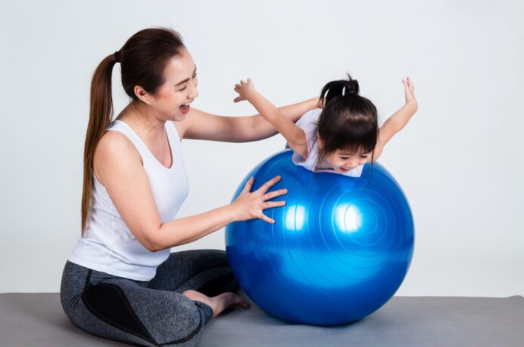
One of the defining features of paediatric physiotherapy is its use of play-based techniques. Children learn best when they are engaged and enjoying the process. Instead of repetitive or rigid exercises, therapy sessions are often designed as interactive activities that feel like play.
Through games, movement challenges, and creative exercises, therapists encourage children to participate actively. This approach not only improves physical outcomes but also builds positive associations with therapy. Children become more willing to engage, which leads to better progress over time.
Play-based therapy also supports emotional and social development. As children interact with therapists and sometimes with other children, they develop communication skills and build confidence in their abilities.
Techniques That Support Movement and Coordination
Paediatric physiotherapists use a variety of techniques to help children improve their physical abilities. These methods are carefully chosen based on each child’s condition and goals. Some approaches focus on improving posture and movement patterns, while others aim to enhance sensory processing or muscle strength.
Water-based therapy is one example that has gained popularity. The buoyancy of water reduces pressure on the body, making it easier for children to move and practise new skills. This can be especially helpful for children with limited mobility or muscle weakness.
Advancements in technology are also shaping the way therapy is delivered. Interactive tools and digital systems are now being used to create engaging environments where children can practise movements in a fun and motivating way. These innovations provide immediate feedback, helping children understand and improve their movements more effectively
Supporting Children with Diverse Conditions
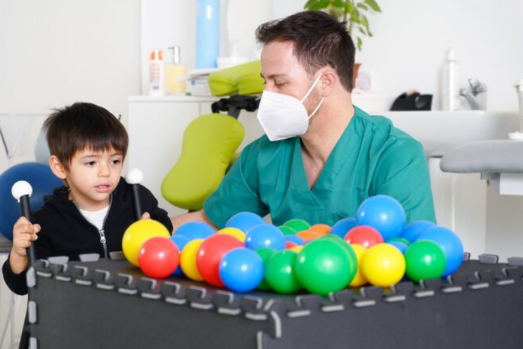
Paediatric physiotherapy plays a crucial role in managing a wide range of conditions. Children with neurological challenges often benefit from long-term therapy that focuses on improving mobility and coordination. Conditions that affect muscle tone, balance, and control require consistent support to help children reach their potential.
Orthopaedic concerns, such as injuries or recovery after surgery, also fall within the scope of physiotherapy. In these cases, therapy helps children regain strength and return to their normal activities safely. It also reduces the risk of future injuries by improving movement patterns and stability.
Each condition requires a unique approach, and therapists continuously adjust their methods to match the child’s progress. This adaptability ensures that therapy remains effective and relevant at every stage of development.
The Value of a Collaborative Approach
Paediatric physiotherapy does not exist in isolation. It is often part of a larger network of care that includes other healthcare professionals and educators. Collaboration ensures that all aspects of a child’s development are supported in a coordinated way.
Therapists may work closely with doctors, occupational therapists, and teachers to create a comprehensive plan that addresses physical, cognitive, and social needs. This teamwork allows for a more complete understanding of the child’s situation and leads to better outcomes.
Schools also play an important role in this process. When therapeutic strategies are integrated into the classroom, children benefit from consistent support throughout their daily routines. This consistency helps reinforce the skills learned during therapy sessions.
Empowering Families Through Education
Parents and caregivers are central to a child’s progress in physiotherapy. Their involvement can significantly influence the effectiveness of treatment. Therapists often take the time to educate families, guiding them on how to support their child at home.
This may include simple exercises, positioning techniques, or ways to encourage movement during daily activities. By incorporating these practices into everyday life, families can reinforce the benefits of therapy and help their child continue improving outside of clinical settings.
In a supportive environment like Singapore, access to information and resources empowers families to take an active role in their child’s development. This partnership between therapists and families creates a strong foundation for long-term success.
Accessibility and Community Support
Access to paediatric physiotherapy services has improved significantly, making it easier for families to find the support they need. In urban settings, services are available in hospitals, specialised clinics, and community centres, offering flexibility based on individual preferences.
Community awareness initiatives also play a key role in encouraging early intervention. By educating the public about developmental milestones and the importance of movement, these programmes help families recognise when to seek support.
This broader awareness ensures that more children receive timely care, reducing the likelihood of long-term complications and improving overall quality of life.
Looking Ahead: The Future of Paediatric Physiotherapy
The field of paediatric physiotherapy continues to evolve, driven by research and innovation. New technologies, improved treatment methods, and a deeper understanding of child development are shaping the future of care.
There is a growing focus on personalised treatment plans that consider each child’s unique strengths and challenges. Preventive care is also becoming more prominent, with an emphasis on identifying potential issues before they develop into more serious concerns.
As these advancements continue, paediatric physiotherapy is expected to play an even greater role in supporting children’s health and development. It will not only address existing conditions but also help build stronger foundations for future growth.
Building a Stronger Future for Every Child
Paediatric physiotherapy is more than a form of treatment. It is a pathway that helps children discover their abilities and build confidence in their movements. Addressing physical challenges early and providing ongoing support, it allows children to participate more fully in their daily lives.
Through a combination of professional expertise, family involvement, and community support, children are allowed to grow stronger and more independent. This holistic approach ensures that progress is not limited to physical improvements alone but extends to emotional and social well-being.
As awareness continues to grow, paediatric physiotherapy remains an essential part of nurturing healthy development. It provides children with the tools they need to move forward with confidence, creating a positive impact that lasts well into the future.

Pun enthusiast, wordplay wizard, and the mastermind behind Funnnypuns.com. David turns everyday language into laugh-out-loud moments—one pun at a time!


Leave a Comment