

Artificial intelligence (AI) is making waves in countless industries, and dermatology is no exception. As the demand for innovative skincare solutions rises, AI technology is bridging gaps and providing unprecedented insights. Leading the charge is Evelab Insight – AI Beauty Solution, a cutting-edge platform revolutionising skin assessments by utilising AI to deliver precise and comprehensive beauty and skincare analyses.
Understanding AI Skin Analysis
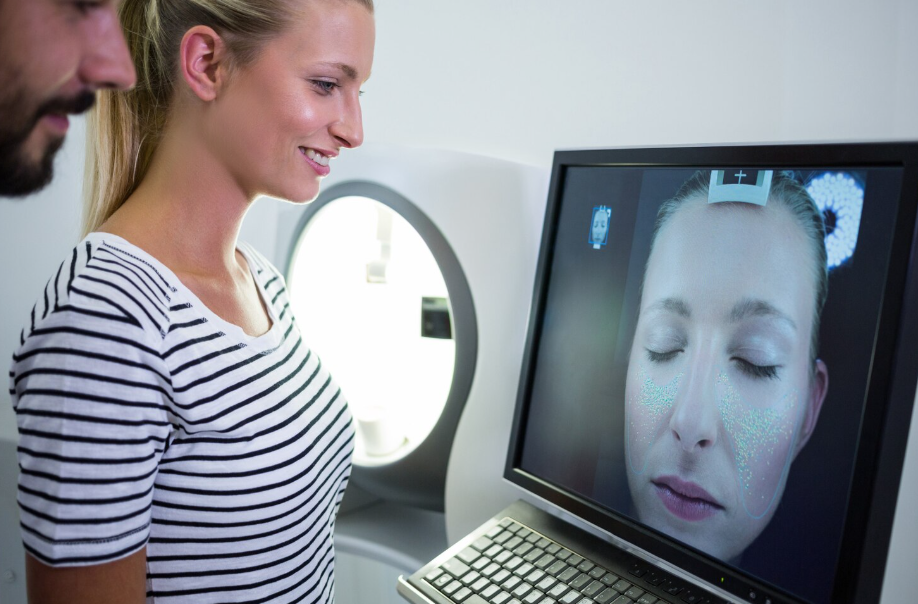
AI skin analysis refers to the application of artificial intelligence techniques to evaluate the condition and characteristics of human skin. This involves the integration of digital image processing, machine learning, and data analysis to identify patterns and issues that might not be easily noticeable by the human eye. By leveraging AI algorithms, skincare professionals can detect various conditions, including acne, hyperpigmentation, wrinkles, and moisture levels, with remarkable accuracy.
The premise of AI skin analysis is straightforward yet profound. Advanced image recognition technologies, supported by vast datasets, allow algorithms to learn and distinguish between different skin types, disorders, and conditions. As these systems refine their understanding, they provide real-time, objective assessments of skin health that inform treatment plans and skincare regimes.
The Advantages of AI Technology
The integration of AI in dermatology delivers a multitude of benefits that enhance both practitioner capabilities and patient experience. Primarily, this technology offers unparalleled precision. AI can evaluate skin conditions with high accuracy by analysing images at a pixel level, thus aiding in early detection and prevention.
Furthermore, the efficiency that AI brings to skin diagnostics cannot be overstated. Dermatological evaluations that previously required extensive laboratory tests can now be achieved with a simple image captured by a smartphone. This approach not only saves time for both patients and professionals but also significantly reduces healthcare costs.
Additionally, AI skin analysis platforms offer consistency that is hard to match through traditional methods. Human evaluations can be subjective, influenced by fatigue or oversight. In contrast, AI-powered assessments provide systematic and repeatable results, thereby enhancing trust among users.
Personalised Skincare Solutions
One of the most exciting dimensions of AI skin analysis is its capacity to foster personalised skincare. With a deep understanding of an individual’s unique skin condition, AI can recommend tailored treatment plans and products catering to specific needs. By considering factors such as skin type, sensitivity, and common problems, AI ensures that skincare regimens are optimally suited to each user.
This personalisation extends to monitoring and adjusting treatments in real-time. As skin conditions change due to factors like climate, diet, or lifestyle, AI systems can adapt recommendations proactively, ensuring that users receive the most effective care continuously.
The Ethical Considerations
Despite its advantages, AI skin analysis raises important ethical questions. Privacy concerns stand at the forefront, as any process involving the collection and analysis of images must guarantee the data security of users. Companies employing AI technologies must adhere to stringent regulations to safeguard personal information and ensure transparent data usage policies.
Moreover, the deployment of AI in dermatology prompts discussions around accessibility. Ensuring that such advanced technologies are available and beneficial to all, irrespective of socioeconomic status, remains a crucial challenge. As AI continues to evolve, striking a balance between technological advancement and ethical responsibility will be essential.
Integration with Other Technologies
AI does not stand alone in its quest to transform dermatology. Its synergies with other modern technologies amplify its impact. Telemedicine, for example, works in tandem with AI to deliver remote skincare consultations, making professional guidance accessible anywhere with an internet connection.
Moreover, AI finds potent allies in wearable technology and Internet of Things (IoT) devices. These integrations enable constant monitoring of skin health and immediate updates that inform users of potential concerns. By harnessing these technologies, individuals can move from reactive to proactive skincare regimens, reducing the occurrence of severe conditions.
The Future Landscape
The future of AI skin analysis promises further innovations as technology continues to advance unabatedly. Machine learning models are expected to become even more sophisticated, accurately diagnosing a wider range of conditions and suggesting diversified treatments tailored to genetic data.
Moreover, AI has the potential to revolutionise skincare product development. By analysing trends and personal data, AI can identify the need for new formulations, driving innovation in product creation that meets the diverse demands of global consumers.
Ultimately, the convergence of AI with dermatology holds immense promise. By empowering professionals with data-driven insights and offering personalised experiences to users, it heralds a new era in skin health management, reshaping the landscape of the beauty and healthcare industries.

Pun enthusiast, wordplay wizard, and the mastermind behind Funnnypuns.com. David turns everyday language into laugh-out-loud moments—one pun at a time!






Leave a Comment