


Introduction
Many people see beautiful photos of the Himalayas on social media and think Trekking in Nepal is only about mountain views. They imagine peaceful trails, smiling faces, and perfect weather every day. But the real experience of trekking in the Himalayas is much deeper, harder, and more emotional than most people expect.
The Everest Base Camp Trek and the Manaslu Circuit Trek are two of Nepal’s most famous mountain adventures. Every year, thousands of trekkers arrive with dreams of seeing Everest closely or crossing high Himalayan passes. Some prepare for months. Some come without understanding how difficult mountain life can become.
The truth is that trekking in Nepal is not always comfortable. Your body becomes tired. The weather changes suddenly. Simple things like sleeping, eating, or breathing become difficult at high altitude. Yet despite all the challenges, many trekkers say these journeys become life-changing experiences.
The Himalayas test patience, physical strength, and mental endurance. But they also give peace, silence, and unforgettable memories that stay forever.
The Reality of the Everest Base Camp Trek
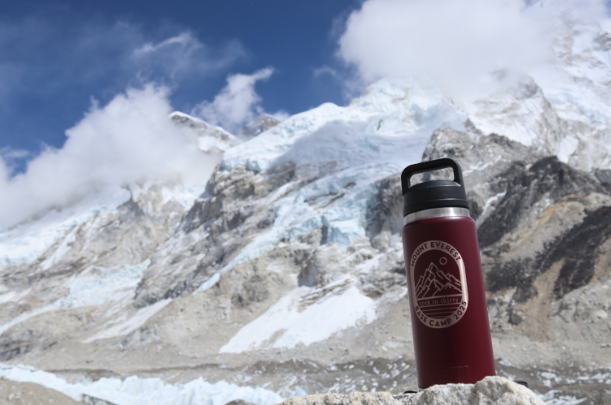
The Everest Base Camp Trek is often called the world’s most famous trekking route. But many first-time trekkers are surprised after starting the journey.
The adventure begins with the dramatic flight from Kathmandu to Lukla Airport, one of the most challenging mountain airports in the world. Even before trekking starts, weather delays and flight cancellations already become part of the Everest experience.
After landing in Lukla, trekkers begin walking through Sherpa villages, suspension bridges, forests, and rocky mountain trails. During the first few days, the trail feels exciting and energetic. But as altitude increases, reality slowly changes.
Above Namche Bazaar, oxygen levels become much lower. Simple walking starts feeling heavy. Some trekkers lose their appetite. Others develop headaches or difficulty sleeping. The body moves more slowly every day.
Many people expect luxury while trekking to Everest Base Camp because the route is famous worldwide. In reality, tea houses remain basic in higher regions. Rooms become colder. Bathrooms are simple. Electricity and Wi-Fi often cost extra. Hot showers are limited at high altitude.
But these uncomfortable moments also become part of the experience.
Trekkers wake up before sunrise, drink hot tea while watching snowy mountains, and continue walking through thin Himalayan air. The sound of boots on rocky trails, spinning prayer wheels, and distant yak bells creates a unique atmosphere impossible to find elsewhere.
What Trekkers Feel Near Everest Base Camp
As trekkers approach Lobuche and Gorakshep, the landscape becomes cold, dry, and dramatic. Trees disappear completely. Massive glaciers and dark rocky mountains surround the trail.
Reaching Everest Base Camp itself is emotional for many people. Prayer flags move in the freezing wind while climbers prepare for Everest expeditions nearby during climbing season.
But surprisingly, many trekkers say the real highlight is not Everest Base Camp itself.
The most unforgettable moment often comes early in the morning at Kala Patthar.
Trekkers climb slowly in darkness while cold wind hits their faces. Then suddenly, the first sunlight touches Mount Everest. The mountain turns golden while the sky slowly becomes bright blue.
At that moment, exhaustion disappears for a while. Many people become silent simply by watching the Himalayas.
The Untold Reality of the Manaslu Circuit Trek
If Everest feels famous and busy, the Manaslu Circuit Trekfeels remote and untouched.
This trek circles Mount Manaslu, the eighth-highest mountain in the world. Compared to Everest, the trails are quieter and much less commercialized.
But the Manaslu journey is also physically and mentally harder for many trekkers.
The trek starts from lower river valleys with humid weather and long walking days. Suspension bridges hang high above powerful rivers, while steep stone staircases test the legs early in the journey. As trekkers move higher toward Namrung, Samagaun, and Samdo, the scenery changes dramatically. Villages become smaller. Tibetan Buddhist culture becomes stronger. Prayer flags, ancient monasteries, mani walls, and stone houses create an atmosphere that feels frozen in time.
Unlike Everest, where tea houses are more developed, facilities in Manaslu remain basic in many places. Internet connection is weak or unavailable. Food choices become limited at higher elevations.
Some trekkers love this simplicity because it makes the experience feel authentic and peaceful.
Others discover how difficult remote trekking can truly become.
Crossing Larkya La Pass: The Hardest Day
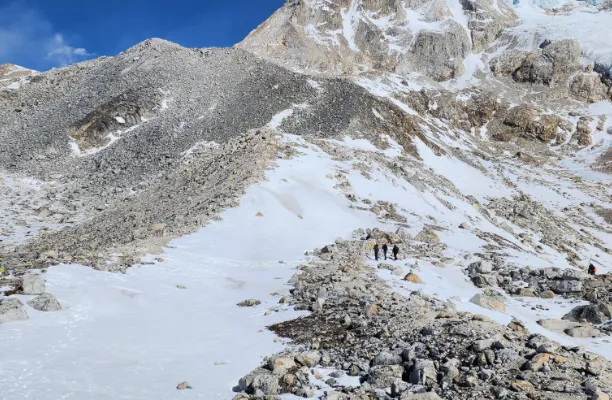
One of the biggest realities of the Manaslu Circuit Trek is the crossing of Larkya La Pass at 5,106 meters.
Trekkers wake up very early before sunrise because strong wind and bad weather often arrive later in the day.
The climb feels long and exhausting. Breathing becomes slow. Snow sometimes covers the trail completely. Frozen fingers and cold wind make the journey even harder.
Some trekkers question themselves during the climb.
But reaching the top of the pass becomes one of the most rewarding moments in the Himalayas. Massive snow-covered peaks surround the entire horizon while colorful prayer flags move under the cold mountain sky.
The descent afterward feels endless, but the emotional satisfaction becomes unforgettable.
The Physical Reality of Trekking in Nepal
Many people underestimate trekking in Nepal because the trails are mostly walking paths rather than technical climbing routes.
But high altitude changes everything.
Above 4,000 meters:
- Walking becomes slower
- Sleeping becomes difficult
- Appetite decreases
- The body feels weak faster
Even healthy and fit trekkers sometimes struggle with altitude sickness.
Trekkers also face:
- Cold temperatures
- Dusty trails
- Unpredictable weather
- Long walking hours
- Basic toilets and accommodation
The mountains do not care about age, fitness, or experience. Proper acclimatization and patience become extremely important.
The Emotional Side of Himalayan Trekking
One thing many blogs never explain properly is the emotional side of trekking in Nepal.
In the mountains, life becomes simple.
Trekkers wake up early, walk for hours, eat warm meals, and sleep shortly after sunset. There are no busy schedules, heavy traffic, or city noise.
Many people say the Himalayas help them feel mentally peaceful for the first time in years.
Simple moments suddenly become meaningful:
- Watching clouds move over mountains
- Drinking tea beside a stove
- Talking with local villagers
- Hearing monks praying in monasteries
- Seeing stars in completely dark mountain skies
Some trekkers even cry quietly after completing these journeys because the experience feels deeply personal.
Sherpa and Tibetan Mountain Culture
The cultural experience becomes another powerful part of trekking in Nepal.
In the Everest region, Sherpa communities have lived in the mountains for generations. Their mountaineering history, Buddhist traditions, and mountain lifestyle create a unique Himalayan identity.
In the Manaslu region, Tibetan influence becomes even stronger. Many villages still preserve old customs, language, clothing, and farming traditions.
Trekkers constantly pass:
- Prayer wheel
- Buddhist chortens
- Mani stones
- Monasteries
- Yak caravans
These cultural elements make the journey feel spiritual as well as adventurous.
Weather Reality in the Himalayas
Weather in Nepal’s mountains changes quickly.
A clear morning can become snowy and windy within a few hours. Flights to Lukla often face delays because mountain weather becomes unpredictable.
During autumn and spring, conditions are usually stable, but even then temperatures at night remain extremely cold at higher elevations.
Winter trekking becomes much more difficult because of heavy snow and freezing temperatures.
The Himalayas always remind trekkers that nature remains powerful and unpredictable.
Why Many Trekkers Still Return Again
Despite the physical difficulty, cold weather, and exhaustion, many travelers return to Nepal again and again.
Some come back for different trekking routes. Others simply miss the mountain atmosphere.
The Himalayas create a strange emotional connection.
People arrive searching for adventure, but they often leave with something deeper:
- Greater patience
- Mental strength
- Respect for nature
- Appreciation for simple life
The mountains humble people in a powerful way.
Everest Base Camp Trek vs Manaslu Circuit Trek Reality
Everest Base Camp Trek
Best for:
- First-time Himalayan trekkers
- Travelers dreaming of Everest
- People wanting social trekking routes
- Trekkers preferring better facilities
Challenges:
- Crowded trails during peak season
- High altitude
- Expensive food and services
Manaslu Circuit Trek
Best for:
- Experienced trekkers
- People seeking remote trails
- Travelers wanting authentic culture
- Adventure lovers avoiding crowds
Challenges:
- More physically demanding
- Basic accommodation
- Remote emergency access
Both treks are unforgettable in completely different ways.
Conclusion
The Everest Base Camp Trek and the Manaslu Circuit Trek are far more than beautiful travel destinations.
They are journeys filled with struggle, silence, culture, cold mornings, tired legs, mountain storms, and unforgettable emotional moments.
The Himalayas are not perfect or comfortable every day. Sometimes the weather becomes harsh. Sometimes breathing feels difficult. Sometimes the trail feels endless.
Yet these difficult moments often become the reason why trekkers remember Nepal forever.
Watching Everest glow during sunrise or crossing the snowy Larkya La Pass changes something inside people. The mountains teach patience, simplicity, and respect in ways modern life rarely can.
The untold reality of trekking in Nepal is this:
The Himalayas are not only places you visit.
They become experiences that stay inside your heart long after the journey ends.
FAQs
1. Is the Everest Base Camp Trek harder than expected?
Yes, many trekkers underestimate the effects of high altitude and long walking days. Proper preparation is important.
2. Which trek is more difficult: Everest or Manaslu?
The Manaslu Circuit Trek is generally considered harder because it is longer, more remote, and has fewer facilities.
3. Can beginners do the Everest Base Camp Trek?
Yes, beginners with good fitness and proper acclimatization can complete the trek successfully.
4. Is altitude sickness common during these treks?
Yes, altitude sickness is common above 3,500 meters if trekkers ascend too quickly.
5. What is the best season for Everest and Manaslu trekking?
Spring (March to May) and Autumn (September to November) are considered the best trekking seasons in Nepal.

Pun enthusiast, wordplay wizard, and the mastermind behind Funnnypuns.com. David turns everyday language into laugh-out-loud moments—one pun at a time!


Leave a Comment