

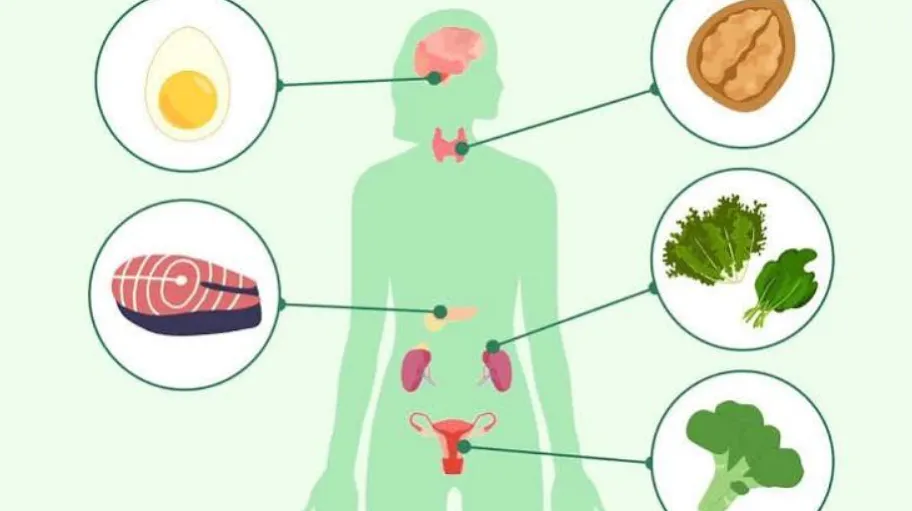
I talked to a woman last spring who had spent two years cycling through doctors, collecting diagnoses like souvenirs. Fatigue. Anxiety. Weight gain that wouldn’t budge no matter what she ate. A libido that had essentially gone quiet. Each symptom got its own referral, its own prescription, its own follow-up appointment. Nobody ever stepped back and looked at the whole picture.
Turns out, her hormones had been quietly misfiring the entire time.
Here’s the thing about hormonal imbalance: it rarely announces itself with any kind of clarity. It doesn’t stride in through the front door. It slips in through a cracked window, mimicking stress, or aging, or depression, or just the accumulated grime of modern life. Which is exactly why so many people miss it for so long, and why so many doctors, working symptom by symptom, never quite manage to zoom out far enough to see the shape of it.
The symptoms people dismiss (and probably shouldn’t)
Both men and women experience hormonal shifts, though the way those shifts surface can look dramatically different depending on what’s actually off. Estrogen, progesterone, testosterone, thyroid hormones, cortisol — the body runs a remarkably complicated orchestra, and when even one instrument goes flat, the whole performance suffers. Sometimes subtly. Sometimes spectacularly.
In women, the signs are often bundled together and waved away as “just stress” or “probably perimenopause.” Which, fine, maybe. But dismissing them doesn’t make them easier to live with, and I find it genuinely irritating how fast that dismissal comes, often from the very people who should be digging deeper.
- Irregular or unusually heavy periods
- Persistent fatigue that sleep doesn’t fix
- Mood swings that feel disproportionate to what’s actually happening
- Brain fog — that specific, maddening cloudiness where words slip away mid-sentence
- Night sweats, hot flashes, or sudden temperature changes
- Unexplained weight gain, particularly around the midsection
Men get it worse in a different way. Their symptoms get dismissed even more aggressively. Low testosterone in particular is chronically underdiagnosed because the signs look so much like general aging that most men, and honestly a lot of doctors, just accept them as inevitable. They shouldn’t.
- Low energy and motivation
- Decreased muscle mass despite regular exercise
- Reduced sex drive or erectile issues
- Irritability, depression, or a kind of emotional flatness that’s hard to describe
- Increased body fat, particularly around the chest and abdomen
And then there are the symptoms that show up regardless of sex: poor sleep, hair thinning in ways you can’t quite explain, skin changes, anxiety that seems to rise from nowhere. These are the ones that creep through daily life and slowly, almost imperceptibly, narrow it.
Why “you seem fine” isn’t good enough
Standard blood panels often miss nuanced hormonal shifts because they’re calibrated to detect pathology, trt online not to find the gap between where someone is and where they could be. A result that falls technically within “normal range” might still leave someone feeling wrecked. That’s because normal range is built from population averages, not from what any specific individual actually needs to function well.
“Normal” and “optimal” are not the same word. Medicine doesn’t always treat them as different, and that’s a real problem.
Comprehensive testing matters. Testing that looks at the full hormonal picture rather than plucking a single marker out of context. When you see the whole map at once, connections appear that simply cannot show up when you’re examining each symptom in isolation, one referral at a time, over the course of two frustrating years.
A brief tangent about stress hormones, because they complicate everything
Cortisol is often the invisible hand behind other imbalances, and it doesn’t get nearly enough attention. When cortisol runs chronically elevated, as it does in people living under sustained stress (which is most people), it can suppress thyroid function, tank progesterone, and knock testosterone off rhythm. So someone comes in complaining of fatigue and weight gain, gets their estrogen checked, finds nothing dramatic, and goes home with no answers. But the cortisol picture, if anyone had bothered to look, might have told a completely different story.
Hormones don’t operate independently. They’re in constant conversation with each other, and pulling on one thread tends to move several others at the same time.
How personalized care plans actually work
No two people’s hormones are off in exactly the same way. Which means, and this seems obvious but apparently isn’t, no two treatment plans should look identical. A good provider doesn’t hand you a one-size-fits-all protocol and send you home. They review bloodwork in the context of your symptoms, your history, your lifestyle, where you are in perimenopause or post-menopause, what health conditions are already in the picture. The whole texture of how you’re actually living.
One option that comes up frequently in personalized hormone care is bioidentical hormone therapy Jacksonville, which uses hormones that are molecularly identical to the ones your body produces naturally. Not a magic fix. Not right for everyone. But for some people it’s the missing variable in an equation that had been stubbornly refusing to balance.
A table worth knowing:
| Hormone | Common when low (women) | Common when low (men) |
| Estrogen | Hot flashes, mood swings, vaginal dryness | Bone loss, low libido (less common) |
| Testosterone | Low libido, fatigue, reduced muscle tone | Low energy, depression, muscle loss |
| Progesterone | Anxiety, irregular cycles, poor sleep | Rarely tested, but affects mood |
| Thyroid (T3/T4) | Weight gain, brain fog, cold sensitivity | Fatigue, weight gain, hair thinning |
When to actually do something about it
If you’ve been carrying a cluster of these symptoms for months, writing them off as aging or stress or just the cost of being a busy person, it might be time to get curious rather than just getting used to it. There’s a real difference between accepting that life is hard and accepting that your body is struggling with something that has a name, and possibly a solution. Those are not the same kind of acceptance.
The woman I mentioned at the start finally got a full hormonal panel. Found a provider willing to look at her as a whole system rather than a collection of isolated complaints. She told me it felt less like finding a cure and more like someone had finally asked the right question. After two years of being handed pieces of the wrong puzzle, that was its own kind of relief.
That’s what good hormone care actually looks like. Not a shortcut. A real answer, arrived at slowly and carefully, by someone paying attention.

Pun enthusiast, wordplay wizard, and the mastermind behind Funnnypuns.com. David turns everyday language into laugh-out-loud moments—one pun at a time!


![120+ Best [Science Valentines Day Puns] [2026 Trending Edition]](https://funnnypuns.com/wp-content/uploads/2026/01/science-valentines-day-puns-440x248.webp)
![120+ Best [Science Valentines Day Puns] [2026 Trending Edition]](https://funnnypuns.com/wp-content/uploads/2026/01/science-valentines-day-puns-320x180.webp)


Leave a Comment