

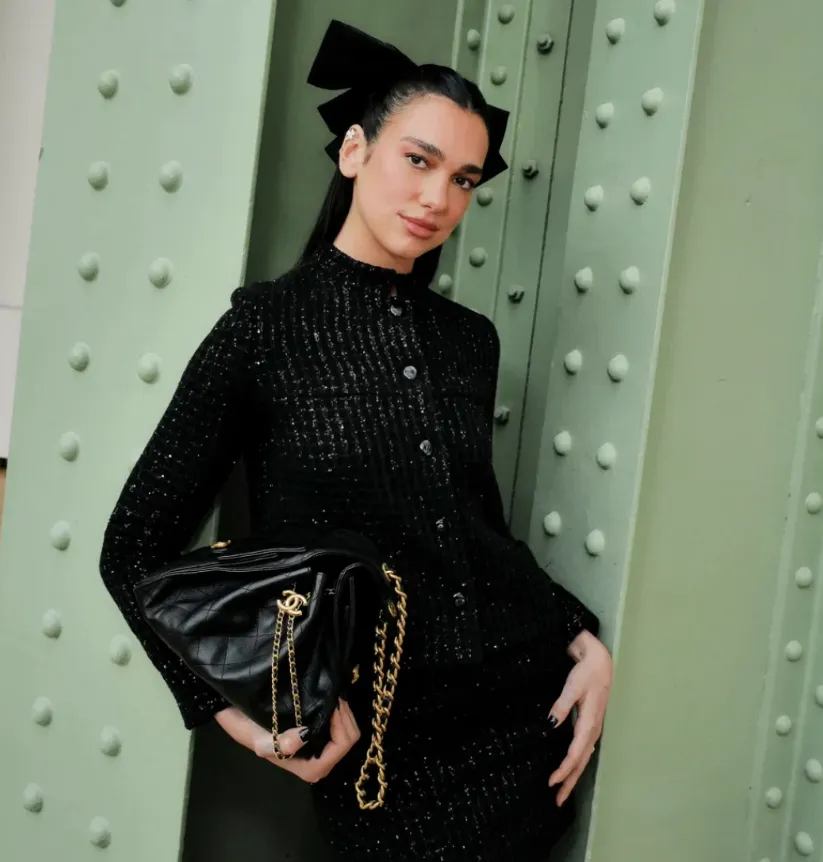
Few fashion houses possess Chanel’s ability to remain recognizable while constantly finding new audiences. Its quilted handbags, interlocking C logo, bouclé jackets, pearls, and monochrome palette communicate luxury almost instantly. Yet Chanel’s cultural power does not come from heritage alone. The house has survived major changes in music, celebrity culture, streetwear, and social media by allowing each generation to interpret its codes differently.
For older shoppers, Chanel may represent Parisian refinement and carefully preserved craftsmanship. Millennials encountered it through celebrity wardrobes, glossy magazines, red carpets, and the rise of designer resale. For Gen Z, the same brand appears in TikTok unboxings, vintage-shopping videos, outfit breakdowns, and “what’s in my bag” clips. Chanel has become a rare status symbol that can feel both estabished and current.
A Handbag Designed for a Changing Lifestyle
The foundation of Chanel’s cross-generational appeal was laid long before social media. Gabrielle Chanel introduced the 2.55 handbag in February 1955, giving women a shoulder strap that freed their hands. The combination of practical construction and polished design helped turn the bag into something more culturally durable than a seasonal accessory.
Karl Lagerfeld later reworked the idea into the Classic Flap, adding the interlocking CC turn-lock and leather-threaded chain. The house still identifies these elements, along with the quilting, double flap, and curved back pocket, as defining features of the Chanel classic handbag.
That visual consistency matters. A Chanel bag photographed decades ago remains immediately legible in a modern social feed. But the design is flexible enough to move between formal tailoring, denim, streetwear, and casual vintage looks. Its recognizablity gives owners an efficient way to communicate taste, access, and fashion knowledge without explanation.
Hip-Hop Gave Chanel a Different Kind of Visibility
Luxury labels have appeared in hip-hop for decades as symbols of success, aspiration, and creative self-definition. Chanel entered that visual vocabulary through logo jewelry, handbags, sunglasses, chains, and custom styling. Artists did not simply reproduce the restrained image presented in traditional campaigns. They combined Chanel with sportswear, oversized silhouettes, sneakers, and bold accessories.
That contrast expanded the meaning of the brand. Chanel could still signify an elegant Paris wardrobe, but it could also represent independence, achievement, and cultural authority. The double C became as useful in a music video or album-era photoshoot as it was in a boutique window.
And hip-hop’s relationship with luxury was never entirely passive. Artists often challenged established ideas about who could wear elite fashion and how it should be styled. Chanel benefited from that reinterpretation because its strongest codes were distinctive enough to remain recognizable outside their original context.
Pharrell Turned Cultural Proximity Into Collaboration
Pharrell Williams became central to Chanel’s movement between traditional luxury and contemporary music culture. His relationship with the house included campaigns, runway appearances, short films, jewelry, and eventually a full capsule collection.
The Chanel Pharrell collaboration was especially notable because it placed a musician and producer inside the brand’s creative universe rather than treating him as a conventional celebrity endorser. The collection combined Chanel signatures with hoodies, bright colors, sneakers, costume jewelry, and relaxed shapes associated with streetwear.
Chanel described the project as an urban capsule collection reflecting Pharrell’s long-term relationship with the house. That framing helped legitimize a cultural shift already visible in fashion. Luxury was becoming less dependent on rigid categories such as menswear, womenswear, formalwear, and streetwear.
Pharrell also broadened Chanel’s appeal among male consumers. His use of pearls, tweed jackets, and handbags treated the house’s codes as creative tools rather than gender-restricted products. The result felt credible because he had worn Chanel consistently before the capsule arrived.
Celebrity Styling Connected Multiple Generations
Chanel’s status has also been sustained by an unusually broad celebrity network. Actresses, musicians, models, stylists, and internet personalities have carried the brand into different entertainment ecosystems. A Classic Flap might appear with a couture gown at one event and with jeans, a cropped top, or trainers hours later.
This versatility protects Chanel from becoming trapped in a single era. The bag’s history remains part of its appeal, but buyers do not need to dress like Gabrielle Chanel to participate in that history. As Vogue’s account of Chanel handbag design explains, the house has repeatedly developed new models while maintaining recognizable signatures across collections.
But celebrity visibility alone cannot explain Chanel’s durability. Plenty of luxury products receive concentrated exposure and then disappear. Chanel benefits from a design language that remains coherent as styling habits change.
TikTok Turned Ownership Into Content
TikTok changed the way status products are discovered and discussed. Traditional fashion media presented luxury through controlled editorials and advertising. TikTok presents it through personal narratives: saving for a first Chanel bag, comparing sizes, reviewing leather types, authenticating vintage pieces, calculating price increases, or styling one bag for an entire week.
The platform has made the Chanel Classic especially effective as digital content. Its logo is easy to recognize on a small screen, while its long history gives creators endless material for explainers and comparisons. The Chanel Classic’s rise as a TikTok status symbol reflects a wider shift from passive advertising to participatory luxury culture.
TikTok also encourages competing interpretations. Some creators present Chanel as an investment purchase. Others prefer vintage examples because they associate older bags with lower prices, distinctive hardware, or more individual style. Some question whether constant retail price increases still match the product’s value. Even criticism keeps the brand central to the conversation.
Resale Made Chanel More Accessible, but Not Ordinary
The growth of authenticated resale has created additional entry points into Chanel. Buyers can search across decades, materials, colors, and discontinued designs instead of relying exclusively on current boutique inventory. Vintage shopping also suits younger consumers who prefer pieces that feel less standardized than current releases.
Yet greater visibility has not made Chanel ordinary. Strong brand recognition, limited affordability, craftsmanship narratives, and decades of cultural association continue to separate it from mass-market fashion. The Classic Flap remains particularly powerful because it functions as a bag, a collectible, a fashion reference, and a public marker of purchasing power.
From hip-hop videos to TikTok wardrobes, Chanel has stayed relevant by letting culture reshape the way its symbols are worn. Each generation receives the same core vocabulary, then gives it a different accent. That combination of continuity and reinterpretation is what keeps the double C visible across age groups, music scenes, and digital platforms.

Pun enthusiast, wordplay wizard, and the mastermind behind Funnnypuns.com. David turns everyday language into laugh-out-loud moments—one pun at a time!


Leave a Comment