

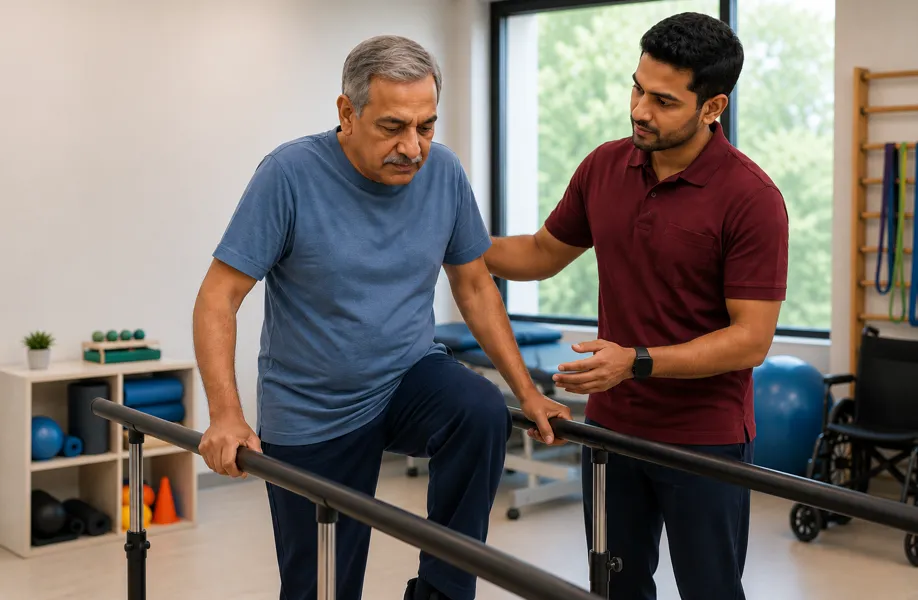
Recovering from a stroke or managing a neurological condition is rarely a short-term process. While emergency medical treatment helps stabilize the patient, rehabilitation is what restores function, improves mobility, and helps individuals regain independence. Many stroke survivors also experience persistent pain, muscle weakness, balance problems, and communication difficulties that require specialized care over an extended period.
Choosing a leading pain and stroke rehabilitation centre in Chennai gives patients access to expert neurological care, personalized rehabilitation plans, and multidisciplinary therapies that address every aspect of recovery. Instead of treating only one symptom, comprehensive rehabilitation focuses on improving physical, cognitive, emotional, and functional well-being to achieve the best possible long-term outcomes.
In this blog, we’ll explore how integrated pain management and stroke rehabilitation support neurological recovery and what to look for when selecting a stroke rehabilitation in Chennai.
Why Specialized Stroke Rehabilitation Matters
Every stroke survivor has unique rehabilitation needs. Some patients may primarily struggle with walking, while others may require support for speech, swallowing, memory, or hand function.
A specialized rehabilitation centre develops individualized treatment plans that focus on:
- Improving mobility
- Restoring muscle strength
- Enhancing balance and coordination
- Improving communication
- Managing pain
- Increasing independence
- Preventing secondary complications
- Supporting emotional recovery
Personalized rehabilitation allows therapists to adjust treatment according to the patient’s progress rather than following a standard therapy program.
Addressing Pain as Part of Stroke Recovery
Pain is one of the most common challenges during neurological recovery. It can reduce participation in therapy and affect overall quality of life if left untreated.
Pain may develop because of:
Muscle Weakness
Weak muscles often lead to abnormal movement patterns, placing extra stress on joints and soft tissues.
Spasticity
Some patients experience increased muscle tone that causes stiffness, spasms, and restricted movement.
Shoulder Problems
Shoulder pain frequently occurs after a stroke due to muscle weakness, limited movement, or improper positioning.
Joint Stiffness
Reduced activity can lead to tight joints and decreased flexibility, making everyday movements uncomfortable.
Central Neuropathic Pain
Damage within the brain may cause burning, tingling, or electric shock-like sensations that require specialized management.
An effective rehabilitation program treats the source of pain while improving overall function rather than relying solely on medication.
Comprehensive Evaluation Before Therapy Begins
Recovery starts with a detailed assessment that helps the rehabilitation team understand the patient’s current abilities and future goals.
This evaluation may include:
- Muscle strength assessment
- Balance and gait analysis
- Functional mobility evaluation
- Hand function assessment
- Pain assessment
- Cognitive evaluation
- Speech and swallowing assessment
- Activities of daily living assessment
The findings guide the creation of a rehabilitation program that evolves as the patient improves.
Physiotherapy for Functional Independence
Physiotherapy is one of the most important components of neurological recovery. Instead of focusing only on exercises, therapists emphasize functional movements that patients perform in everyday life.
Treatment may include:
- Walking practice
- Stair-climbing exercises
- Balance training
- Strengthening programs
- Stretching routines
- Endurance exercises
- Transfer training
- Coordination activities
Regular physiotherapy helps patients regain confidence while reducing the risk of falls and future complications.
Occupational Therapy for Daily Living
Occupational therapy focuses on helping patients become independent in routine activities.
Therapists assist with:
- Dressing
- Bathing
- Personal grooming
- Eating independently
- Kitchen activities
- Writing
- Household tasks
- Workplace readiness where appropriate
Adaptive equipment modifications may also be recommended to improve safety and accessibility.
Speech and Swallowing Rehabilitation
Stroke often affects the muscles involved in communication and swallowing.
Speech-language therapists help patients improve:
- Speech clarity
- Language comprehension
- Reading and writing
- Voice quality
- Swallowing safety
- Social communication
Improved communication enables patients to reconnect with family, friends, and their community more confidently.
Cognitive Rehabilitation for Brain Recovery
Neurological recovery also includes restoring higher brain functions.
Cognitive rehabilitation focuses on improving:
- Memory
- Attention
- Concentration
- Planning
- Problem-solving
- Decision-making
- Mental flexibility
These skills are important for returning to work, managing finances, and maintaining independence in daily life.
Managing Emotional Health During Recovery
Stroke affects emotional well-being as much as physical health. Many survivors experience anxiety, depression, frustration, or reduced confidence during rehabilitation.
Psychological support helps patients:
- Adapt to life after stroke
- Develop healthy coping strategies
- Improve motivation
- Manage stress
- Build emotional resilience
Mental health support also encourages better participation in rehabilitation and contributes to improved recovery outcomes.
Family Involvement Improves Recovery
Stroke rehabilitation continues beyond scheduled therapy sessions. Family members play an important role in supporting progress .
Caregivers can help by:
- Encouraging prescribed exercises
- Assisting with safe mobility
- Maintaining medication schedules
- Preparing nutritious meals
- Creating a safe environment
- Offering emotional encouragement
- Monitoring changes in recovery
Many rehabilitation centres also provide caregiver education to ensure continuity of care outside the clinical setting.
What to Look for in a Leading Rehabilitation Centre
When selecting a pain and stroke rehabilitation centre in Chennai, consider these important features:
Multidisciplinary Clinical Team
Choose a centre with rehabilitation physicians, neurologists, physiotherapists, occupational therapists, speech-language pathologists, psychologists, rehabilitation nurses, and nutritionists working together.
Personalized Care Plans
Every rehabilitation program should be tailored to the patient’s medical condition, goals, and stage of recovery.
Integrated Pain Management
Pain relief should be incorporated into the rehabilitation program rather than treated separately.
Regular Progress Reviews
Ongoing assessments allow therapists to adjust treatment plans based on recovery milestones.
Flexible Rehabilitation Options
The availability of inpatient, outpatient rehabilitation services ensures uninterrupted care throughout the recovery journey.
Supporting Long-Term Neurological Recovery
Recovery continues even after formal rehabilitation programs end. Maintaining healthy habits is essential for preserving progress and reducing the risk of another stroke.
Patients should:
- Continue exercise programs
- Stay physically active within medical guidance
- Eat a balanced, heart-healthy diet
- Control blood pressure, cholesterol, and diabetes
- Get adequate sleep
- Avoid smoking and excessive alcohol consumption
- Attend regular follow-up appointments
- Remain socially engaged and mentally active
Long-term commitment to these habits supports both neurological recovery and overall health.
Conclusion
Neurological recovery after a stroke is a journey that requires expert care, personalized rehabilitation, and continuous support. At Antara, our PMR-led multidisciplinary approach combines advanced therapies, one-on-one care, senior-friendly infrastructure, nutritional support, and a strong focus on patient safety to help individuals regain mobility, independence, and confidence. With compassionate care and comprehensive rehabilitation under one roof, Antara is committed to supporting every patient at each stage of their recovery journey and helping them achieve the best possible quality of life.

Pun enthusiast, wordplay wizard, and the mastermind behind Funnnypuns.com. David turns everyday language into laugh-out-loud moments—one pun at a time!



Leave a Comment