

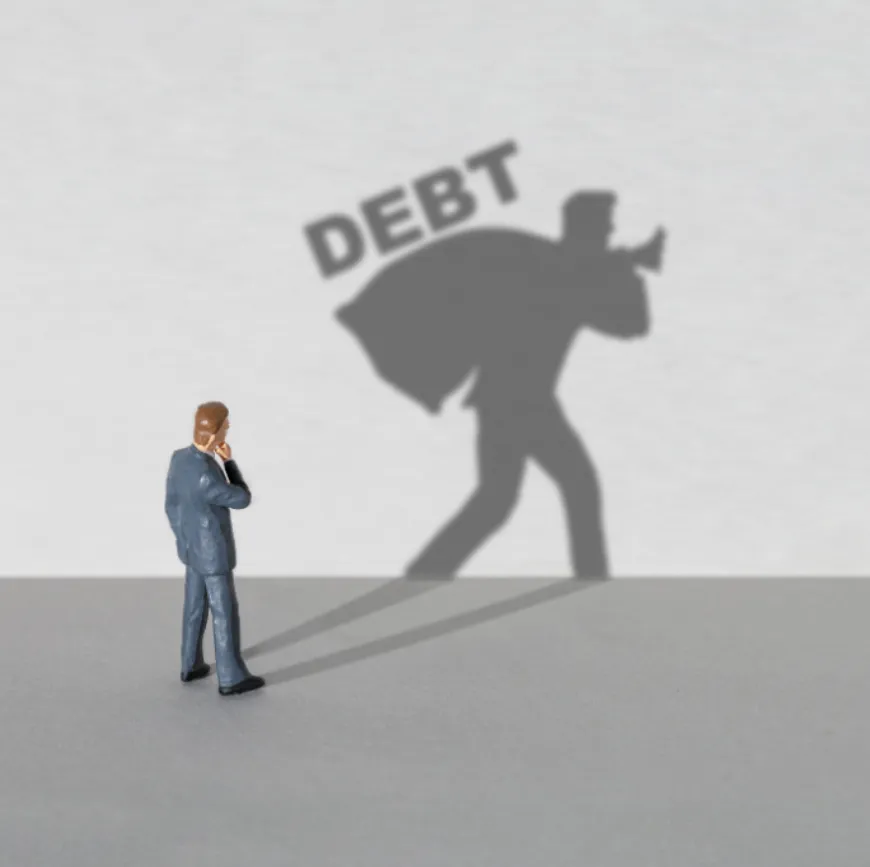
Debt payoff is supposed to make life feel lighter. That is the whole point. Yet a lot of people hit a strange point in the process where they are technically doing better, but emotionally feeling worse. They are making extra payments, watching balances drop, saying no to everything, and still carrying a constant sense of pressure. Instead of relief, progress starts to feel like a trap.
That usually is not a sign of laziness or lack of commitment. It is often a sign that the plan itself is asking too much. When your debt strategy leaves no breathing room, every small expense feels like failure. Even a routine car repair or dinner with friends can feel like you have ruined everything. If you have reached the point where you are wondering is debt settlement worth it, you may also be asking a bigger question underneath it: should getting out of debt really feel this punishing?
The answer is no. Paying off debt can require discipline, but it should not require you to live in a permanent state of alarm. Real progress is not just about how aggressively you attack balances. It is also about whether your plan is steady enough to survive real life. A strategy that works for two months and then collapses under stress is not stronger than one that moves slower but lasts.
When debt progress creates more stress
A lot of debt advice sounds great in theory because it assumes ideal behavior. Cut everything. Max out every extra dollar. Stay focused at all costs. The problem is that people are not machines. We deal with fatigue, unexpected expenses, family obligations, health issues, and plain old mental burnout. The tighter the plan, the less room there is for being human.
This is where progress can accidentally raise pressure. Once you start seeing results, you may become afraid to ease up at all. You tell yourself that if you lower your extra payment by even a little, you are backsliding. That fear can become exhausting. Instead of celebrating that you paid off one card or brought a balance down, you start obsessing over how much farther you still have to go.
Stress does not always come from having debt. Sometimes it comes from trying to erase debt with a plan that leaves no flexibility. The NIH explains that stress is a normal reaction to challenges, but chronic stress can contribute to sleep problems, anxiety, depression, and other health issues. Stress and well being matter because financial goals do not exist separately from the rest of your life.
A sustainable plan often beats an extreme one
People love dramatic stories about throwing every spare dollar at debt and finishing in record time. Those stories can be motivating, but they can also create unrealistic expectations. A better question is not, “What is the fastest possible payoff plan?” It is, “What pace can I maintain without falling apart?”
That shift changes everything. A sustainable plan might mean paying a little less extra each month so you can also cover irregular costs. It might mean leaving room in your budget for groceries that are not the absolute cheapest option, or a small amount of social spending so your life does not shrink to bills and anxiety. That is not weakness. That is planning for reality.
The Consumer Financial Protection Bureau has emphasized the value of assessing your spending with a realistic view of what you can actually afford, including savings goals and changing expenses. A workable spending plan is not just a list of sacrifices. It is a system that reflects your actual life and helps you stay consistent over time through assessing your spending.
Perfection is expensive
One of the most overlooked costs in debt payoff is the cost of perfectionism. Perfectionism sounds productive, but in personal finance it often leads to all or nothing thinking. If you cannot hit your ideal payment amount, you feel like the month is blown. If you use money from your debt plan for an emergency, you feel ashamed. If you need a break, you think you are losing discipline.
That mindset makes debt harder, not easier. It can push people into cycles of overcorrecting. One month they go extremely hard on repayment. The next month they are burned out and relying on credit again because the plan was too rigid to handle normal expenses. The emotional whiplash is part of what keeps debt feeling so heavy.
A less perfectionistic approach sounds more like this: “I am still making progress, even if this month looks different.” That sentence can protect more momentum than any guilt driven budget ever will.
Relief is a useful financial signal
People often treat relief like a reward that comes at the end of debt payoff. In reality, relief can be a signal that your system is finally becoming healthier. When you stop dreading every swipe of a debit card, every due date, or every conversation about money, you gain mental space. That space helps you make better decisions.
You are more likely to review your budget calmly. You are more likely to notice patterns in your spending without spiraling. You are more likely to keep going next month because the process feels manageable. Pressure can create action in the short term, but steadiness is what creates long term results.
This is especially important because debt payoff is rarely just math. It is behavior, emotions, habits, and endurance. If your plan improves the numbers while damaging your ability to function, it is incomplete.
How to lower pressure without giving up progress
Start by reviewing your current plan honestly. Not the plan you think you should be able to handle, but the one you can actually live with. Ask yourself a few direct questions. Are you constantly anxious about ordinary spending? Do you feel guilty every time you rest? Are you one surprise bill away from abandoning the whole thing? If the answer is yes, your plan probably needs adjustment.
Next, build in margin. Margin can look like a small emergency cushion, a realistic grocery number, or a modest personal spending category that keeps you from rebelling against your own budget. It can also mean setting a minimum extra debt payment that you know you can hit most months, then treating anything above that as a bonus rather than a requirement.
It also helps to measure progress in more than one way. Yes, balance reduction matters. But so does paying on time consistently. So does avoiding new debt. So does sleeping better, arguing less about money, and feeling less panicked at the end of the month. Those are not side benefits. They are signs that your financial life is becoming more stable.
The goal is not constant pressure
Debt can make people feel like they need to earn peace through struggle. But the point of progress is to reduce pressure, not intensify it. If your current payoff strategy makes you feel trapped, that does not automatically mean you are failing. It may simply mean you need a plan that values sustainability as much as speed.
A strong debt plan should challenge you, but it should also support you. It should move you forward without making every month feel like a crisis. When you adjust your pace to something you can maintain, you are not stepping away from your goal. You are making it far more likely that you will actually reach it.
Sometimes the smartest financial move is not pushing harder. It is creating enough room to keep going.

Pun enthusiast, wordplay wizard, and the mastermind behind Funnnypuns.com. David turns everyday language into laugh-out-loud moments—one pun at a time!




![150+ Best Beach Jokes [2025 Trending Edition]](https://funnnypuns.com/wp-content/uploads/2025/10/best-beach-jokes-768x432.webp)
![150+ Best Beach Jokes [2025 Trending Edition]](https://funnnypuns.com/wp-content/uploads/2025/10/best-beach-jokes-320x180.webp)
Leave a Comment