

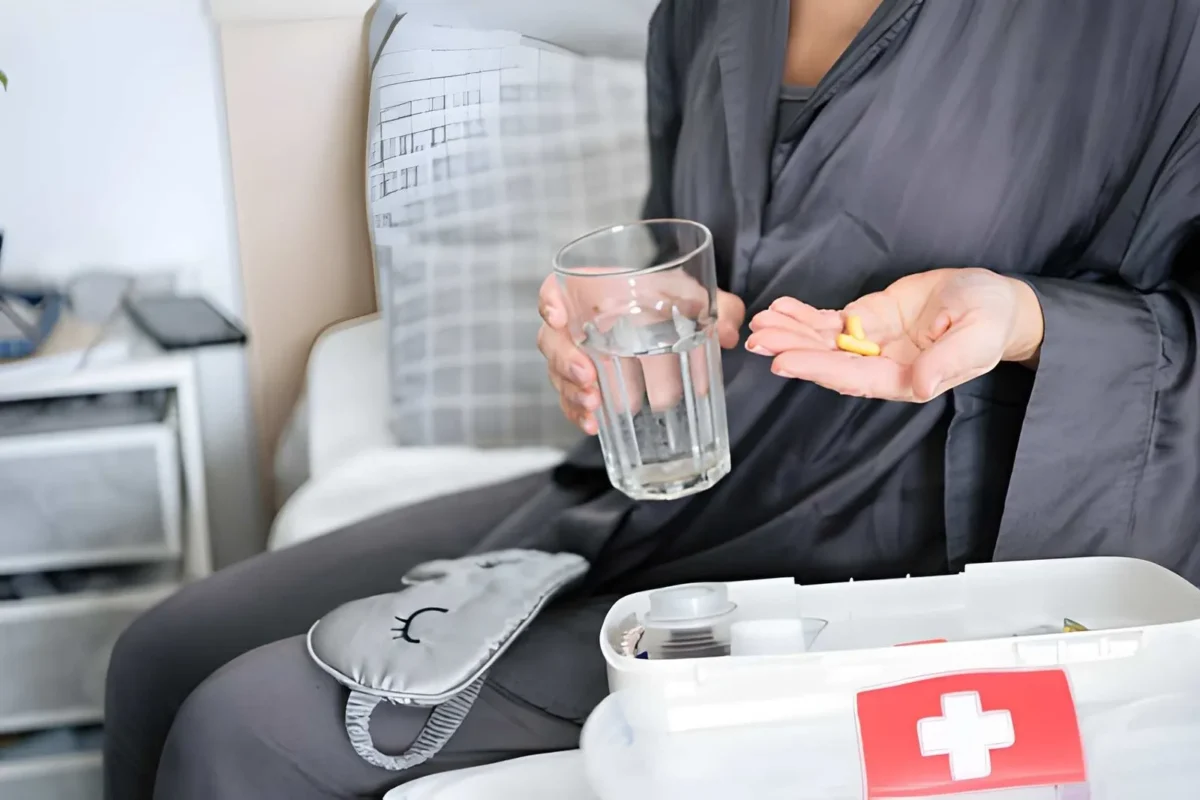
The feelings of tiredness and weakness you have after being injured in an accident aren’t all in your head. When your body is faced with recovering from injury, it devotes more resources to the healing process, and that can be literally exhausting. You can help your body get better, and help yourself feel better overall, by resting and optimizing nutrition.
With the right amount of minerals, vitamins, macronutrients and water, you give your body a wonderfully rich storehouse of everything it needs to support its healing processes. Different nutrients play different roles, so there’s no one magic food you can eat to hurry recovery along. But you don’t need anything special; you just need to focus on eating well with extra emphasis on the basics.
Optimizing Nutrition Increases Internal Resources for Healing
When you’re recovering, you can’t really stick with your normal eating patterns unless you were already very careful about what you ate. For most people, a regular daily diet might not have optimal levels of fiber and protein, and/or it could be too high in sugar and too low in water or other non-alcoholic liquids.
This imbalance makes it harder for your body to function, although, when you’re generally healthy, you may not notice any issues. However, when you’re healing, those imbalances have visceral effects that can slow down your recovery.
Your body doesn’t joke around when it comes to healing. It will use whatever it has available, which means that if it needs more protein, and you’re not eating enough protein to satisfy your body’s requirements, then your body will grab protein from any source it can find, including your own muscles.
Protein Promotes Tissue Repair and Immune System Function
One of the most important nutrients to get when you’re recovering from an injury is protein. Your muscles and organs need it to repair damage, and too little protein in your diet can slow down healing. The effects of adding more protein to your diet to help healing show up relatively quickly.
Your body has to both fix and protect itself during your recovery. While you’re still healing, your immune system’s strength can dip, increasing the risk of infection. Opportunistic pathogens like it when someone is weak because those pathogens have a better chance of establishing themselves.
Adequate protein intake is essential for keeping your immune system running well. That lets your body fight off infection more efficiently.
Calorie Limits Require Caution
Chances are you’ll have to adjust your calorie intake, but be cautious when doing so. If you’re normally active and eat a lot, and suddenly find yourself stuck in bed, you may need to look at reducing the calories you eat so that you don’t rapidly gain weight.
However, you don’t want to reduce them too much, for two reasons. One is that your body simply needs enough energy, which it gets in the form of calories, to help run its healing process. The other is that, if you cut too much out of your daily diet, you risk creating vitamin and mineral deficiencies because you’re not getting enough food.
And it’s also possible that you actually have to eat more. Depending on what you’re healing from, your body may start gobbling up caloric energy faster than it’s ever done so before. So, approach caloric intake cautiously and don’t swing too far in either direction. Concentrate on adjusting the nutrients first, and then see if you need to increase or decrease the overall intake of calories.
Increasing Collagen and Controlling Inflammation
Your fruit and vegetable intake is critical, too. These foods supply vitamins and minerals like vitamin C and zinc, which help shore up your immune system. Vitamin C is necessary for collagen production, which helps rebuild tissue and promotes wound healing.
Many vitamins and minerals function as partners, and you need to get appropriate ratios. For example, you don’t want the ratio of zinc to copper to get out of whack. You also need certain vitamins and minerals to promote absorption of other vitamins and minerals, such as vitamin C helping with iron absorption. Incorporating a good variety of fruits and vegetables is one of the best ways to accomplish this.
You Need Fats and Fiber, Too
And, of course, you need fats and fiber, too. Fats help with wound healing, and fiber helps keep things moving, so to speak. When you’re injured, the effects of too little fiber can lead to straining. That stress can temporarily divert energy away from healing, and the effort can make you more tired.
Fruits and vegetables again help with getting adequate fiber. You may want to keep a dietary journal and track protein, fat and fiber grams, along with protein and fruit/vegetable servings. Those records will help you determine if an adjustment is necessary to one or more parts of your post-injury diet.
Water Is Essential, but Soda and Alcohol Are Not
Finally, you have to be well-hydrated. Becoming dehydrated will only give you a headache and potentially increase water retention. You can even get temporary foot and ankle edema (swelling) due to dehydration-driven water retention.
Water retention due to dehydration seems weird, but it makes sense when you know what your body is doing. When you don’t drink enough water, your body tries to hold on to every drop it can, in effect storing water in your feet and ankles (and possibly other body parts). Unfortunately, that means you have to deal with swelling.
Drinking adequate water throughout the day reduces water retention. The water also helps transport nutrients around your body, and adequate hydration helps regulate blood pressure, too.
Water and some teas are good, but soda and alcohol are not. The sweeteners in soda, be they sugar, high fructose corn syrup or an artificial sweetener, add nothing to your recovery. Alcohol can actually increase inflammation and slow down wound healing, which is the last thing you want. It’s also not the best thing to drink if you want to sleep truly well.
Try to Get a Referral to a Registered Dietitian
Doctors don’t necessarily have nutrition training, and your personal injury lawyer almost certainly doesn’t. Try to get a referral from your doctor to a registered dietitian who can help you put together a good nutritional plan for your recovery.
For legal advice after an injury that could have been prevented, don’t hesitate to reach out to an experienced law firm like GDH Law that may be able to help.

Pun enthusiast, wordplay wizard, and the mastermind behind Funnnypuns.com. David turns everyday language into laugh-out-loud moments—one pun at a time!




Leave a Comment