

Every outage, retrofit, and capacity upgrade eventually lands on one blunt question: will this part hold up when the load spikes, the heat rises, and the schedule is already too tight? That is where the right energy engineering components earn their keep. They protect uptime, reduce waste, and help energy and power systems run with fewer nasty surprises.
Additive manufacturing has shown up to a 40% reduction in cost per kilowatt for micro-hydropower components. That is not a small improvement. For engineers choosing power generation components, the basics still matter most: clear specs, proven materials, dependable suppliers, and a real understanding of power application engineering and hands-on engineering parts for energy industry work.
Seattle brings an unusual mix to the table: aerospace discipline, software talent, marine experience, and clean energy momentum. It is a practical place to turn ideas into hardware without letting projects get stuck in endless review loops.
Strategic Role of Engineering Components in Energy and Power Systems
Strong systems are rarely the result of one heroic machine. They are built from hundreds or thousands of smaller parts doing their job quietly, all day, every day.
For teams around Puget Sound, rapid prototyping in Seattle can speed up design checks for brackets, housings, fluid parts, fixtures, and sensor mounts. You can test earlier, spot mistakes sooner, and avoid spending serious money on parts that were never quite right.
Core Functions: Reliability, Safety, and Efficiency
Good components keep tolerances, resist fatigue, and protect the people working around them. In power plants, substations, and renewable energy sites, even a modest part can become a big problem. A weak gasket, cracked relay housing, loose mount, or poor connector can trigger downtime no one budgeted for.
Industry Trends Shaping Better Parts
Smart sensors, recyclable materials, and additive manufacturing are changing how teams design energy engineering components. It is not magic. It is better data, faster testing, and fewer guesses dressed up as decisions.
Engineering components are not “just parts.” They are the reliability backbone that keeps systems stable, safe, and efficient under constant pressure.
Essential Power Generation Components Driving Modern Energy Solutions
The best performance gains often come from the parts closest to heat, motion, voltage, and control. That is where good design pays you back quickly.
High-Efficiency Turbines and Generators
Turbine blades, seals, rotors, bearings, and generator housings take a beating for years. Better coatings, smarter geometry, and tighter production control help power generation components run cooler, cleaner, and longer.
Switchgear, Transformers, and Protection Hardware
Switchgear, breakers, relays, bushings, and transformer parts keep power moving safely. They also give operators more room to respond when loads shift, faults appear, or demand changes faster than expected.
Digital Controls and Automation
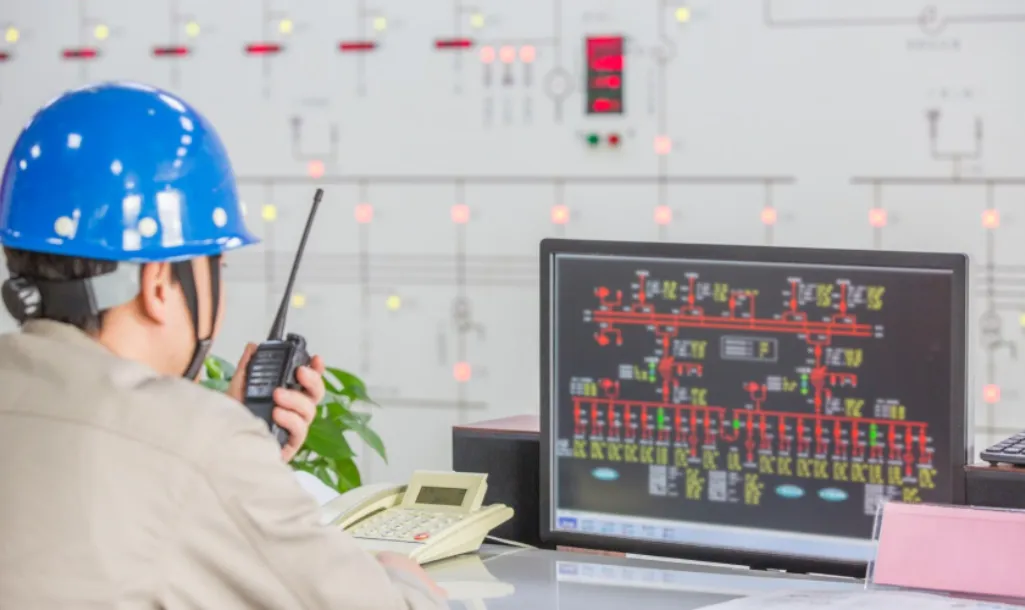
PLCs, SCADA hardware, IoT controllers, and condition sensors turn static equipment into responsive assets. Once power is generated and routed, smart control helps decide how quickly the system reacts.
Still, controls can only do so much. A sensor will not save a part that cracks, corrodes, or warps too soon. That is why material choice matters.
Key Engineering Parts for the Energy Industry: Selection, Sourcing & Customization
Selection starts with duty cycle, environment, and failure cost. Buying only on unit price can look clever right up until the outage report lands on your desk. Ouch.
Material Science for Long Service Life
High-alloy steels work well for heat and pressure. Advanced ceramics help with wear and insulation. Composites reduce weight and lower corrosion risk. Public and corporate energy R&D spending have risen at around 6% per year in real terms, with direct government spending above USD 50 billion in 2024.
Sourcing Without Hidden Risk
Teams sourcing engineering parts for energy industry projects should look closely at traceability, inspection methods, material certificates, and response time. A local manufacturing backup can also reduce schedule risk when global supply chains get tight or a shipment disappears into the void.
Custom Engineering and Prototyping
Custom parts matter when standard catalogs do not match the load, space, temperature, or mounting limits. Digital twins and fast sample builds let teams catch awkward design issues before they become expensive production problems.
Once sourcing is stable, the manufacturing method becomes the next big lever for speed, shape freedom, and cost control.
Meeting Challenges: Reliability, Maintenance, and Regulatory Demands
Energy equipment lives a rough life. Heat, vibration, moisture, voltage, and stop-start cycles all punish weak design decisions.
Designing for Extreme Conditions
Choose materials based on pressure, temperature, corrosion risk, load swings, and service access. And please, do not ignore the small stuff. Fasteners, seals, and connectors may look minor, but small failures often cause very expensive trouble.
Compliance and Documentation
Standards tied to electrical safety, quality, and grid performance should be addressed early. Test records, material data, and inspection reports need to be ready before approval reviews, not assembled in a panic the night before.
Predictive Maintenance
AI-driven monitoring can flag changes in vibration, heat, and current before failure. For energy and power systems, that means fewer surprises, better repair planning, and less firefighting.
With uptime under control, the next goal is reducing waste across the full component life.
Sustainability and the Future of Energy Engineering Components
Sustainability in power hardware is not only about green claims. It is about longer service life, fewer replacements, cleaner production, and easier repair.
Eco-Design Principles
Modular parts, recyclable metals, repairable assemblies, and efficient production methods all reduce waste. Stronger energy engineering components can also lower the need for emergency replacements, which saves money and headaches.
Renewables and Hybrid Systems
Wind, solar, geothermal, battery, and hybrid assets need rugged mounts, thermal parts, housings, connectors, and controls. These systems reward careful power application engineering because loads are variable and conditions can change quickly.
Better parts help cleaner systems run with fewer interruptions. Still, the partner you choose can shape the entire project.
Final Thoughts on Building a Stronger Power Future
Better components make energy projects safer, cleaner, and easier to maintain. Start with real operating demands, then match materials, suppliers, manufacturing methods, and monitoring plans to those demands. Custom samples, smart controls, and rapid prototyping in Seattle all help teams test ideas before risks grow teeth. The best power projects are not built on guesswork. They are built on parts that prove themselves before the pressure starts.
FAQs on Engineering Components for Power Applications
1. Which Components Usually Offer the Best Roi?
Turbine seals, bearings, switchgear parts, sensors, and heat-resistant housings often pay back quickly. They reduce downtime, improve safety, and extend equipment life when matched to real operating conditions.
2. Can Modular Engineering Parts Shorten Lead Times?
Yes, when interfaces are defined early. Modular brackets, control enclosures, sensor mounts, and serviceable assemblies can cut rework and make future upgrades easier without redesigning the whole system.
3. How Do Smart Components Improve Safety?
Smart parts track heat, vibration, load, or electrical behavior. When readings move outside normal ranges, operators can act before faults become failures, protecting people, equipment, and production schedules.

Pun enthusiast, wordplay wizard, and the mastermind behind Funnnypuns.com. David turns everyday language into laugh-out-loud moments—one pun at a time!






Leave a Comment