

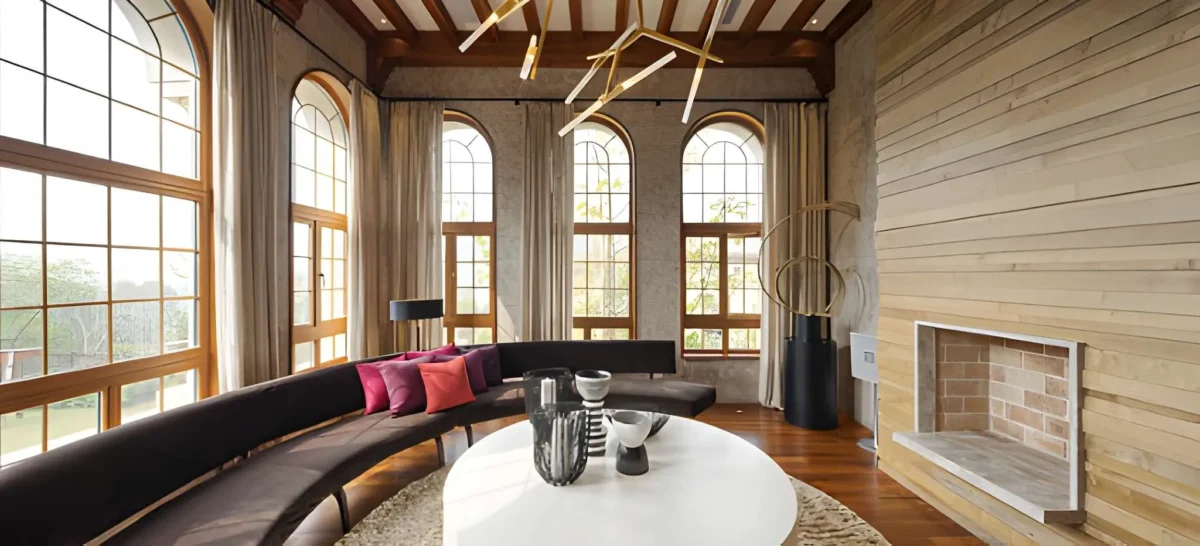
A living room can shape the character of an entire home by bringing together comfort, visual appeal, practical layouts, lighting, furniture, and personalised details. Well-planned interiors can make everyday spaces feel inviting while supporting relaxation, entertainment, family time, and social gatherings.
For homeowners exploring stylish living room interiors, the focus can extend beyond decorative elements to include functionality, proportion, storage, lighting, and lifestyle requirements. A considered design approach can help these elements work together to create a refined space without sacrificing everyday practicality.
Creating Balanced Stylish Living Room Interiors Today
Thoughtful planning can connect aesthetics with usability, helping the living room remain comfortable, organised, visually balanced, and suitable for changing everyday routines and activities.
1. Proportionate Furniture Creates Better Flow
Furniture selection plays an important role in maintaining movement and visual balance. Sofas, centre tables, accent chairs, and entertainment units should suit the available floor area rather than overwhelm it. Streamlined furniture can preserve openness in compact rooms, while larger spaces may accommodate more substantial seating. Proper spacing between individual pieces can also create comfortable pathways. Considering furniture proportions early on helps establish a layout that supports practical use while creating a polished, well-organised overall appearance.
2. Lighting Adds Depth and Everyday Ambience
Lighting can influence both the atmosphere and functionality of a living room. Ambient lighting, accent fixtures, and focused illumination can work together to support different activities. Pendant lights, floor lamps, concealed lighting, and decorative fixtures may be selected according to the room’s dimensions and design direction. Layered lighting can also add depth and visual character without relying on a single source. Careful placement helps the room remain suitable for relaxing, reading, entertaining, and everyday family activities.
3. Custom Storage Keeps Interiors Organised
Storage can improve the practical performance of a living room without compromising its appearance. Custom TV units, wall-mounted cabinets, floating shelves, and integrated storage can help organise books, entertainment equipment, décor, and everyday belongings. Concealed solutions may reduce visible clutter, particularly where available floor space is limited. Storage designs can also complement surrounding furniture, finishes, and architectural details. Planning these elements from the beginning helps make storage an integrated part of the interior rather than an afterthought.
Modern Design Details Create More Flexible Living Spaces
Contemporary living rooms benefit when furniture, finishes, lighting, storage, and personal preferences are considered together as interconnected parts of a cohesive interior environment.
The idea of stylish living room interiors becomes more meaningful when visual sophistication is balanced with daily usability. A carefully planned TV unit can combine entertainment and storage requirements, while furniture arrangements can support comfortable movement throughout the room. Materials and textures can introduce warmth and depth, and lighting can help define different zones within the available space. Rather than filling every corner, thoughtful planning allows important elements to stand out naturally. Flexible layouts can also support changing routines, helping the living room accommodate quiet moments, family activities, work, and social occasions while maintaining a cohesive appearance.
Practical Planning Shapes Comfortable Everyday Living Areas
A successful interior can bring together visual character and practical requirements by considering materials, movement, storage, furniture placement, and long-term usability before final decisions are made.
1. Materials Balance Appearance and Everyday Durability
Materials influence how a living room looks, feels, and performs over time. Flooring, wall finishes, furniture surfaces, fabrics, and decorative elements should complement one another while remaining suitable for everyday use. Frequently used surfaces may benefit from practical maintenance considerations, while softer textures can be introduced through upholstery, rugs, curtains, and cushions. Coordinating materials helps create a consistent visual language throughout the room. A balanced selection can support both comfort and appearance without making the interior feel overly complicated.
2. Focal Points Give the Room Visual Direction
A living room can benefit from a feature that naturally attracts attention and gives the interior a sense of direction. This may be a custom TV unit, a statement wall, artwork, a distinctive lighting feature, or a carefully arranged seating area. Establishing one main focal point can guide surrounding design decisions and create stronger visual organisation. Too many competing features may make the room appear busy. Simpler supporting details can therefore help the main element stand out while maintaining a balanced and comfortable environment.
3. Personal Details Complete the Overall Experience
Personal touches can help a living room feel connected to the people who use it. Artwork, photographs, books, plants, rugs, cushions, and selected accessories can introduce character without disrupting the wider design. These details can work best when they complement the room’s colours, materials, and proportions. Homeowners may choose pieces that reflect their interests and lifestyle while avoiding unnecessary visual clutter. A carefully edited collection of personal elements can make an interior feel warm, lived-in, and individual while retaining a refined overall appearance.
Thoughtful Layout Choices Support Better Space Planning
Careful space planning can help homeowners use available areas effectively while maintaining comfortable circulation, balanced furniture arrangements, functional zones, and visual consistency across the living room.
- Consider daily activities before deciding where to place major furniture pieces.
- Maintain sufficient space for comfortable movement between seating, storage, and entertainment areas.
- Create functional zones that support relaxation, conversations, reading, or other regular activities.
- Select furniture sizes based on room dimensions rather than choosing pieces independently.
- Use lighting and rugs to create subtle definition between different areas.
- Keep the layout adaptable so the room can respond to changing household requirements.
A considered layout can help the living room remain practical and visually organised while allowing every important design element to contribute to a comfortable everyday environment.
Conclusion
Creating a comfortable and visually refined living room requires more than selecting attractive furniture or decorative finishes. Layout planning, lighting, storage, materials, colour, flexibility, and personal details can all influence how effectively the space supports everyday living. Considering these elements together can help homeowners create interiors that feel balanced, practical, and connected to their individual preferences.
For homeowners seeking the best living room interior designers in Bangalore, WeDezine Studio presents living room interior solutions that combine contemporary aesthetics with customised planning, functional layouts, lighting, storage, and personalised design elements. Their approach allows homeowners to consider concept development, visualisation, material selection, and execution as part of a connected interior journey, helping create living spaces that bring together comfort, functionality, and individual style.

Pun enthusiast, wordplay wizard, and the mastermind behind Funnnypuns.com. David turns everyday language into laugh-out-loud moments—one pun at a time!






Leave a Comment