

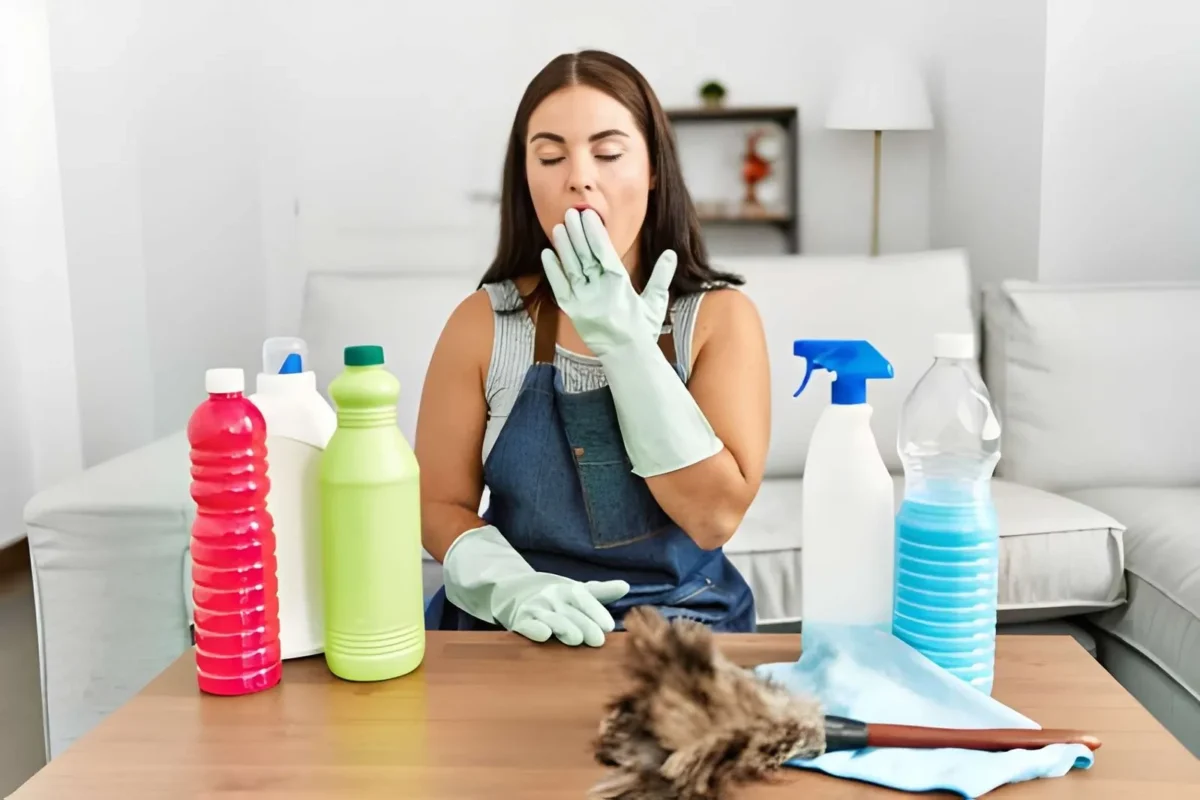
Household dust is rarely just one substance. It’s actually a mixture of fabric fibers, soil tracked in from outside, pollen, pet dander, skin flakes, and the microscopic debris dust mites leave behind. Because this blend settles continuously on floors, furniture, and fabrics, cleaning becomes something of a balancing act — the right approach can meaningfully cut down accumulated dust, while the wrong technique simply kicks fine particles back into the air you breathe. Effective dust control isn’t about finding one perfect product; it’s about combining suitable tools, a sensible cleaning order, adequate ventilation, and habits you actually stick with. Different surfaces call for different methods: a hard floor might need nothing more than a damp cloth, while a spill that mixes liquid with debris calls for equipment built to handle both, such as a wet & dry vacuum. No single device suits every home — the real skill lies in matching the tool to the mess.
What Household Dust Contains and Why It Matters
Common sources of indoor dust
Indoor dust typically includes outdoor soil and pollen, skin cells and textile fibers, pet hair and dander, dust-mite waste, cooking residue, and combustion byproducts from candles or stovetops. In damp environments, mold particles often join the mix as well. The exact composition in any given home depends on how many people and pets live there, ventilation, furnishings, local climate, and the overall condition of the building.
Why dust control matters for indoor air quality
Everyday activities — walking across a carpet, sweeping, even vacuuming — can temporarily lift settled particles back into the air. It’s worth distinguishing between reducing the dust that’s accumulated on surfaces and eliminating all airborne pollutants, since cleaning does the former far more reliably than the latter. People with asthma, allergies, or other chronic respiratory conditions can be especially sensitive to particles stirred up during cleaning, a point echoed in guidance from the U.S. Environmental Protection Agency and other public-health authorities.
Identify Where Dust Accumulates Most
Dust tends to gather on carpets and rugs, upholstered furniture, curtains and fabric blinds, bedding and mattresses, shelves and electronics, and in floor edges, corners, and the areas beneath furniture. Soft furnishings generally hold onto dust longer than smooth, washable surfaces do. Interestingly, dust often becomes visible first in low-traffic areas, while busier zones redistribute particles more often rather than letting them settle in one place. Instead of applying a single routine across the whole house, it helps to assess each room on its own merits and prioritize from there.
Use the Right Cleaning Method for Each Surface
Hard surfaces
Damp dusting with a clean microfiber cloth captures particles rather than scattering them — unlike dry dusting or vigorous sweeping, which tend to push dust straight into the air. Clean high surfaces first, so anything dislodged can be caught on lower surfaces afterward. And always use cleaning products according to their labels and surface compatibility.
Carpets, rugs, and upholstery
Regular vacuuming removes settled dust, pollen, hair, and dander, but how well it works depends on adequate filtration and a sealed filtration system that keeps captured particles from leaking back into the room. A HEPA filter doesn’t guarantee complete allergen removal; it’s simply one feature that may help prevent what’s already been collected from re-entering the air. Following the manufacturer’s instructions for filters, bags, brush rolls, and attachments goes a long way toward keeping performance consistent.
Small liquid spills and mixed debris
Liquid spills are best addressed promptly to limit staining, odor, and moisture damage. Equipment designed for dry debris isn’t interchangeable with equipment built for liquids, so whether you’re using a standard cleaner or a wet & dry vacuum, it’s worth knowing which category your appliance falls into before you reach for it. Never operate a vacuum in a way that conflicts with its instructions — particularly around electrical hazards, cleaning chemicals, or large volumes of water.
A Practical Cleaning Sequence That Limits Dust Resuspension
- Declutter first — clear floors and surfaces and dispose of obvious waste before vacuuming.
- Clean from high to low — start with shelves, ledges, and furniture tops, and finish with floors so any dust that falls is removed last.
- Use damp methods on hard surfaces — avoid dry sweeping where visible dust is likely to disperse, and rinse or swap out cloths as they get dirty.
- Vacuum methodically — move slowly rather than making quick, repeated passes, and pay close attention to edges, corners, upholstery seams, and the areas beneath furniture.
- Ventilate appropriately — allow normal airflow where outdoor conditions permit, without aiming fans at areas you’ve already cleaned.
- Dispose of collected debris safely — empty containers or remove bags as instructed, and wash your hands afterward.
Key Takeaway: A consistent, targeted routine tends to beat occasional deep cleans.
How to Build a Sustainable Cleaning Schedule
Cleaning frequency should reflect the number of occupants, pets, flooring type, indoor humidity, outdoor air quality, any allergy or asthma concerns, and how much dust is actually visible. Rather than following rigid, one-size-fits-all intervals, it helps to think in terms of a flexible framework: regular dusting in frequently used rooms, routine vacuuming of carpets and upholstery, prompt attention to spills, and periodic cleaning of curtains, bedding, vents, and the corners that tend to get overlooked. The EPA identifies regular cleaning as one way to reduce dust and other indoor pollutants, while acknowledging that it doesn’t eliminate them entirely.
Special Considerations for Allergy and Asthma Concerns
Cleaning can temporarily raise airborne dust levels even as it reduces what’s settled over time. Sensitive individuals may benefit from stepping out of the room while vacuuming and giving disturbed particles time to settle, with adequate ventilation before coming back in. Complementary steps include washing bedding regularly, using allergen-resistant mattress and pillow covers, managing indoor humidity, and cutting back on unnecessary dust-collecting furnishings. These are general practices, not individualized medical advice — anyone dealing with persistent respiratory symptoms should consult a qualified healthcare professional.
Common Dust-Cleaning Mistakes to Avoid
- Dry dusting heavily soiled surfaces, which just disperses particles further
- Vacuuming without maintaining filters, bags, seals, or brush rolls
- Using dry-only equipment to attempt liquid pickup
- Cleaning floors before tackling higher surfaces
- Overlooking sofa gaps, baseboards, and under-bed areas
- Assuming one filtration feature resolves all air-quality concerns
- Overusing or mixing cleaning chemicals
- Skipping equipment’s operating and maintenance instructions
A Simple Room-by-Room Assessment
- Bedroom: bedding, mattress, upholstered furniture, floor edges
- Living room: rugs, sofas, curtains, shelves, electronics
- Kitchen: grease-affected dust, floors, cabinet tops, ventilation areas
- Bathroom: moisture, mildew risk, floor debris, washable surfaces
- Entryway: tracked-in soil, mats, footwear storage
| Surface or mess | Appropriate approach | Important precaution |
| Hard surfaces | Damp cloth | Avoid redistributing settled dust |
| Carpet and rugs | Suitable vacuum with maintained filtration | Move slowly and clean edges |
| Liquid spills | Equipment rated for liquid pickup | Follow electrical and manufacturer safety instructions |
| Upholstery | Appropriate attachment and gentle passes | Check fabric-care instructions |
Keeping the Routine Safe and Evidence-Based
It’s worth distinguishing between removing visible debris, reducing settled allergens, improving perceived cleanliness, and actually improving measured indoor-air quality — these aren’t the same outcome, even if they sound similar. Claims like “removes all allergens” or “purifies the home” overstate what any cleaning routine can reliably deliver. When in doubt, lean on guidance from recognized public-health sources rather than anecdotal claims.
Make Dust Control a Routine, Not a One-Time Project
Reducing household dust really comes down to a handful of consistent habits: knowing where dust collects, matching your method to the surface and the type of mess, working from high to low, using damp techniques where it makes sense, and keeping filtration equipment well maintained. Protecting sensitive household members from airborne particles during active cleaning matters just as much as the cleaning itself. You don’t need an elaborate system to see results — just a clear-eyed look at which rooms accumulate the most dust and a willingness to adjust as you go. Try auditing one room this week and see what changes.

Pun enthusiast, wordplay wizard, and the mastermind behind Funnnypuns.com. David turns everyday language into laugh-out-loud moments—one pun at a time!




![120+ Best Halloween Jokes [2026 Trending Edition]](https://funnnypuns.com/wp-content/uploads/2026/04/best-halloween-jokes-768x432.webp)
![120+ Best Halloween Jokes [2026 Trending Edition]](https://funnnypuns.com/wp-content/uploads/2026/04/best-halloween-jokes-320x180.webp)
Leave a Comment