

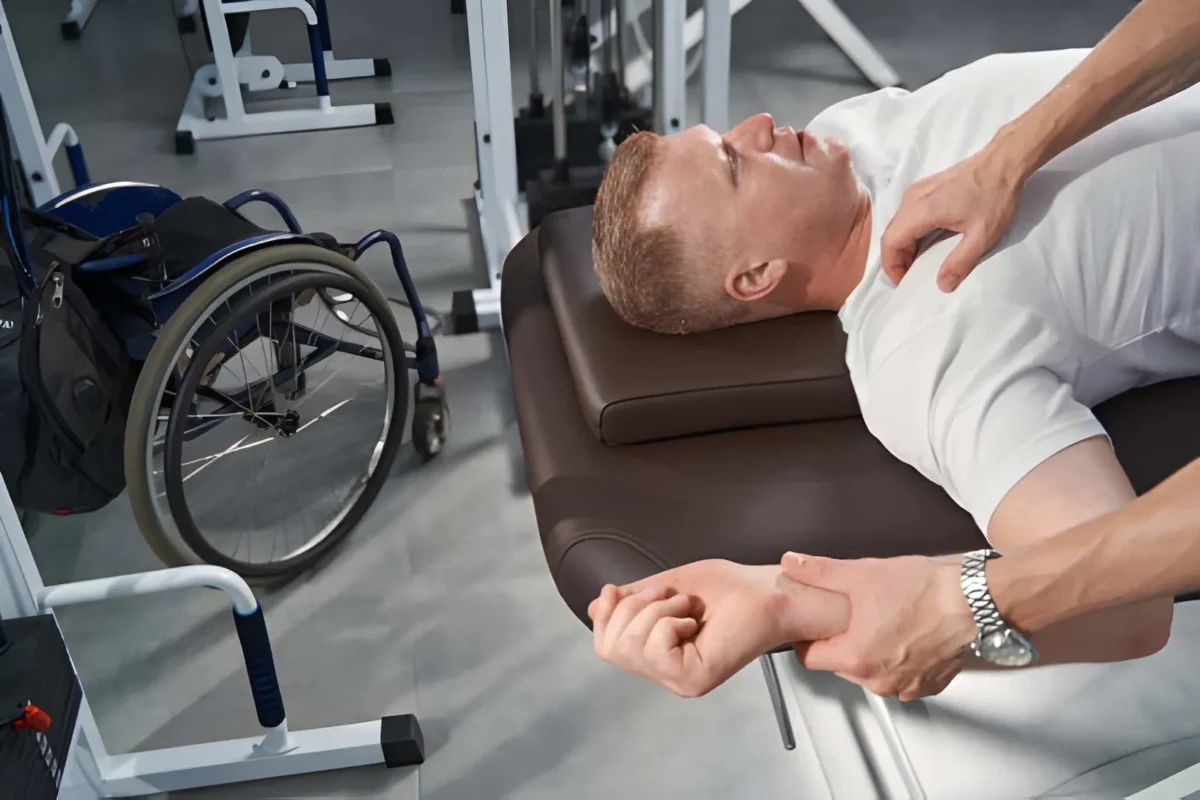
Accidents can cause injuries that will affect a person’s mobility, strength, and ability to complete everyday activities. While some injuries can heal within just a few short weeks, others can lead to muscle weakness that continues for months or even years. This weakness can easily interfere with walking, climbing stairs, lifting objects, and performing different job duties.
Direct Muscle Damage
Workplace incidents, falls, car accidents, and other traumatic events can damage your muscles in several different ways. The force of the impact can tear, strain, and even bruise your muscle tissues. Injuries can range from mild strains to severe tears that require extensive treatment.
Muscle strains occur when muscle fibers are stretched beyond their normal limits. Severe strains can affect the muscle’s ability to contract properly. This reduces the movement and strength of the muscle. Muscle contusions happen when an impact damages muscle tissue and causes bleeding beneath the skin. This can lead to swelling, pain, and weakness in the area.
Although the initial pain can improve after the injury heals, the affected muscle may not immediately regain its previous level of strength. Scar tissue can easily develop, which will affect both movement and flexibility. Some individuals can experience lingering discomfort and stiffness when they attempt to use their injured muscle.
Recovery from an injury depends on the severity of the damage, the quality of treatment, and the affected muscle group. Physical therapy is key to restoring both flexibility and strength while allowing the injured muscles to recover gradually over time.
Nerve Damage
Your muscles depend on signals from your nervous system to contract and produce movement. Whenever an accident damages the nerves that are responsible for transmitting those signals, you can experience persistent muscle weakness even after the surrounding tissues heal. A common example is a car accident that involves a neck or back injury that can compress the nerves in your spine. This can cause weakness in your arms, hands, legs, or even feet.
Unfortunately, nerve injuries can cause symptoms well beyond just weakness. Some individuals can experience tingling, numbness, burning sensations, and reduced coordination. Many of these symptoms can interfere with daily activities and make them more difficult while increasing the risk of falling.
It’s important to note that nerve recovery takes considerably longer than standard muscle recovery. Some of your nerves may gradually regain function, while others may sustain permanent damage. The appropriate treatment for you really depends on the underlying cause and may include things like medication, physical therapy, and surgery whenever necessary.
Prolonged Inactivity Results in Muscle Loss
When you’re experiencing a serious accident, injured individuals may limit their physical activity while they’re healing. While rest is important in the early stages of recovery when it comes to severe strains, fractures, and surgical procedures, extended inactivity can cause your muscles to lose strength and size alike.
This is known as muscle atrophy, and it occurs when your muscles don’t receive enough regular activity to maintain their normal condition. Even relatively short periods of reduced movement can affect your strength. For example, someone may spend several weeks in bed after an accident. They may find it more difficult to walk, stand, or even climb stairs. This is because the muscles in their legs and hips have weakened.
Unfortunately, rebuilding that strength does take time. Injured individuals need structured rehabilitation programs that gradually increase movement and resistance as their condition improves. Returning to more strenuous activity too quickly can aggravate existing injuries and make the situation worse. This is where having a personalized recovery plan comes into play.
The Effects of Chronic Pain
Chronic pain can interfere with the body’s ability to rebuild strength after an accident. Anytime movement causes discomfort, people will adjust how they stand, walk, lift objects, or use their injured limb. While these changes can help them avoid immediate pain, they can place additional stress on other joints and muscles in the body.
For example, if a person with a painful knee injury shifts more of their weight onto their opposite leg, it can cause altered movement patterns. This can contribute to stiffness, discomfort, and weakness in other parts of their body. Someone with a back injury may avoid twisting or bending, which will reduce the activity of the muscles that support their spine.
Unfortunately, chronic pain can make it difficult to participate consistently in physical therapy and rehabilitation practices. When an injured person can’t complete exercises comfortably, rebuilding their strength will take much longer. Effective pain management is imperative to help these individuals participate more fully in their rehabilitation process. Activity modifications, medication, and other treatments may be appropriate approaches to address underlying chronic pain.
Soft Tissue Injuries and Inflammation
A normal part of the body’s response to an injury is inflammation. After any accident, your immune system will help repair damaged tissues by sending cells and other substances to the affected area. Unfortunately, significant injuries can produce a large amount of swelling and discomfort. This can interfere with normal muscle functioning.
Soft tissue injuries involving tendons, muscles, ligaments, and surrounding structures can require weeks or even months of healing. Ligaments stabilize your joints, while tendons connect muscles to bones. Damage to either of these structures can limit your movement and make it more difficult for nearby muscles to function effectively.
Anytime an injury affects a joint, the surrounding muscles can become less active because that particular movement causes pain or instability in the body. This can result in additional weakness even if the muscles have not sustained any direct damage. Some conditions can involve persistent complications and inflammation that require further medical treatment. If weakness still develops despite following a recovery plan, you’ll need to have your injury reassessed by a medical professional.
Psychological Stress
One factor that can influence physical recovery after an accident is psychological stress. Individuals can experience sleep disturbances, fear of movement, anxiety, and symptoms associated with traumatic stress. These can all make it more difficult for the body to recover. For example, poor sleep can interfere with the body’s normal repair process and contribute to further fatigue.
Fear of reinjury can cause people to avoid certain movements that are now safe and part of a necessary recovery program. Medical expenses and financial concerns can also add psychological stress that extends recovery time. Speaking with an experienced personal injury lawyer like those at Schweickert Ganassin Krzak Rundio, LLP can help alleviate some of the burdens associated with stress and your injury.

Pun enthusiast, wordplay wizard, and the mastermind behind Funnnypuns.com. David turns everyday language into laugh-out-loud moments—one pun at a time!






Leave a Comment