

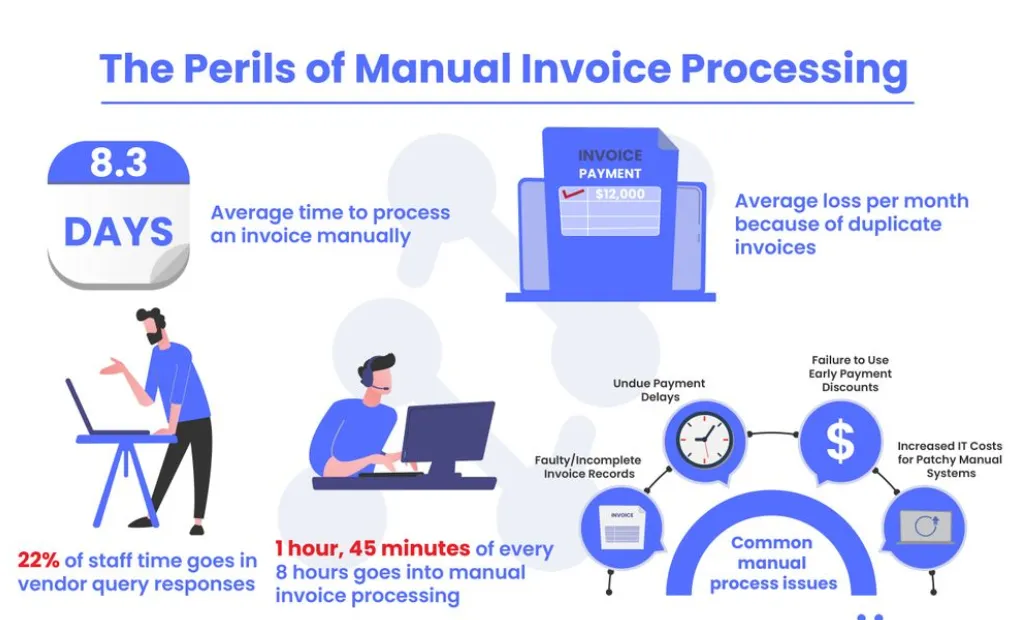
Managing invoices is one of the most important financial tasks in the logistics industry. Logistics companies handle hundreds or even thousands of invoices from carriers, suppliers, warehouses, fuel providers, and transportation partners. Manual invoice processing often leads to delays, errors, duplicate payments, and compliance issues. This is where Cflow helps organizations automate and simplify invoice approvals.
A well-designed Invoice Approval Workflow for Logistics Companies enables businesses to process invoices faster, improve accuracy, and maintain better control over expenses. As logistics operations become more complex, streamlining invoice approvals has become essential for improving operational efficiency and financial management.
Understanding Invoice Approval Challenges in Logistics
The logistics industry operates in a fast-moving environment where transactions occur daily across multiple locations and vendors. Managing invoice approvals manually can create several challenges, including:
- Lost or misplaced invoices
- Delayed approvals
- Data entry errors
- Duplicate payments
- Lack of visibility into approval status
- Difficulty tracking vendor payments
- Compliance and audit concerns
When invoices move through emails, spreadsheets, and paper documents, it becomes difficult to maintain consistency and accountability. These challenges can affect cash flow, vendor relationships, and overall business performance.
Why Invoice Approval Workflow Matters
An invoice approval workflow establishes a structured process for reviewing, verifying, and approving invoices before payment is made. Every invoice follows predefined steps, ensuring that the right people review and approve transactions.
Benefits of a streamlined workflow include:
- Faster invoice processing
- Improved financial control
- Better vendor relationships
- Reduced manual effort
- Increased transparency
- Enhanced compliance
By standardizing approvals, logistics companies can eliminate bottlenecks and ensure that invoices are processed on time.
Key Steps in an Invoice Approval Workflow
1. Invoice Submission
The process begins when vendors submit invoices. Modern workflow systems allow invoices to be submitted digitally, reducing the need for paper-based processes.
2. Invoice Verification
The finance team verifies invoice details such as:
- Vendor information
- Purchase order references
- Service details
- Pricing accuracy
- Tax information
This step ensures that only valid invoices move forward for approval.
3. Approval Routing
Invoices are automatically routed to the appropriate managers or department heads based on predefined rules. Routing can be based on invoice value, department, location, or vendor category.
4. Approval Decision
Approvers review the invoice and either approve, reject, or request additional information. Automated notifications help ensure timely responses.
5. Payment Processing
Once approved, invoices are forwarded to the accounts payable team for payment processing.
6. Record Maintenance
All approvals, comments, and actions are stored electronically, creating a complete audit trail for future reference.
Features to Look for in Invoice Approval Software
When selecting invoice approval workflow software, logistics companies should look for the following features:
Automated Routing
The software should automatically send invoices to the right approvers based on predefined rules.
Custom Approval Workflows
Organizations should be able to create workflows that match their unique business processes.
Mobile Accessibility
Managers should be able to review and approve invoices from any location using mobile devices.
Real-Time Notifications
Automated reminders help ensure invoices do not remain pending for extended periods.
Document Management
The system should securely store invoices and supporting documents for easy retrieval.
Reporting and Analytics
Detailed reports provide insights into processing times, approval bottlenecks, and payment trends.
Integration Capabilities
The software should integrate with accounting systems, ERP platforms, and other business applications.
How Cflow Helps Logistics Companies
Cflow provides a no-code workflow automation platform that simplifies invoice approval processes for logistics companies. Organizations can design customized workflows without technical expertise and automate every stage of invoice processing.
Key advantages include:
- Automated approval routing
- Digital invoice management
- Real-time workflow tracking
- Role-based approvals
- Mobile access
- Audit-ready records
- Integration with existing business systems
By automating invoice approvals, Cflow helps logistics companies reduce processing time, improve financial visibility, and strengthen operational efficiency.
Best Practices for Streamlining Invoice Approval Workflows
To maximize workflow efficiency, logistics companies should:
- Digitize invoice submission processes
- Standardize approval policies
- Automate routing and notifications
- Define clear approval hierarchies
- Monitor workflow performance regularly
- Maintain centralized document storage
- Use analytics to identify bottlenecks
Following these best practices can significantly improve invoice processing speed and accuracy.
Conclusion
Efficient invoice approval is critical for maintaining financial control and operational efficiency in the logistics industry. Manual processes often lead to delays, errors, and compliance challenges that impact business performance. By implementing an automated invoice approval workflow, logistics companies can streamline approvals, improve visibility, reduce costs, and strengthen vendor relationships.
Solutions like Cflow help organizations automate invoice management from submission to payment while ensuring compliance and accountability. As logistics operations continue to grow in complexity, investing in a modern invoice approval workflow is a smart step toward improving financial efficiency and supporting long-term business success.

Pun enthusiast, wordplay wizard, and the mastermind behind Funnnypuns.com. David turns everyday language into laugh-out-loud moments—one pun at a time!






Leave a Comment