


The Transformation of Hospital Beds in Modern Healthcare
Hospital beds have undergone a remarkable transformation from simple resting platforms into highly engineered medical systems designed to actively support healing. In today’s healthcare environments, patient comfort is no longer treated as a secondary concern but as a critical part of treatment and recovery outcomes. This shift has driven continuous innovation in bed design, materials, and integrated technologies, making hospital beds a central element of patient care strategy rather than just supporting equipment.
The evolution of these beds reflects broader changes in medicine itself. As healthcare moved toward patient-centred care, every element of the hospital experience began to be reassessed, including how patients rest, recover, and are monitored. This rethinking has resulted in beds that are responsive, adaptable, and increasingly intelligent, supporting both patients and healthcare professionals in meaningful ways.
From Basic Frames to Intelligent Medical Systems
Early hospital beds were extremely basic, often resembling modified household furniture with minimal adjustability. Their primary purpose was simply to hold a patient in place. Over time, medical professionals began to understand that positioning plays a major role in healing, circulation, and respiratory function. This awareness led to mechanical improvements, such as hand-cranked systems that allowed partial adjustment of head and leg positions.
As hospitals modernised, these manual systems were gradually replaced by electrically powered mechanisms. The introduction of motorised controls marked a turning point in patient care, enabling smoother adjustments that could be performed with minimal physical effort. This development not only improved patient comfort but also reduced strain on caregivers, allowing for safer and more efficient handling of patients.
Today, hospital beds are often integrated with digital systems, sensors, and automated controls. These advancements reflect a broader trend in healthcare: the use of technology to support precision care, reduce risks, and improve clinical outcomes.
Engineering Comfort and Safety Through Modern Design
One of the most important roles of modern hospital beds is preventing complications associated with long-term immobility. Pressure injuries, commonly known as bedsores, remain a major concern in healthcare settings. To address this, modern beds incorporate advanced mattress technologies that redistribute pressure across the body. These may include alternating pressure systems, high-density foams, and specialised air-based support structures designed to reduce localised stress on the skin.
Adjustability is another core feature that contributes directly to patient recovery. Electric systems allow caregivers or patients to modify bed height, backrest angle, and leg positioning with precision. These adjustments support better blood circulation, improved breathing for patients with respiratory conditions, and easier feeding or medical procedures.
Safety has also become a central design focus. Many hospital beds now include side rails equipped with sensor systems that can alert staff if a patient attempts to exit the bed unexpectedly. This is especially important in elderly care or post-operative recovery situations where fall risks are higher. These features create a safer environment without compromising patient dignity or independence.
The Role of Customisation in Patient-Centred Care
Modern healthcare recognises that patient needs vary widely, and hospital bed design reflects this reality through extensive customisation options. Beds can now be adapted with accessories that support specific medical conditions or procedures. These include support frames for intravenous therapy, adjustable traction systems, and modular attachments that facilitate surgical recovery or rehabilitation exercises.
In addition, patient comfort is increasingly prioritised through intuitive control systems. Many beds allow patients to adjust their own position using simple interfaces, giving them a sense of control during recovery. This autonomy has been shown to improve emotional well-being, which can play an important role in the healing process.
Specialised designs also exist for different patient groups. Paediatric beds often include protective features and smaller dimensions to ensure safety and comfort for children. Geriatric beds, on the other hand, are designed with enhanced stability and ease of access to support elderly patients with limited mobility.
Enhancing Efficiency for Healthcare Professionals
The evolution of hospital beds has significantly improved working conditions for healthcare staff. In traditional settings, repositioning patients required considerable physical effort and often involved multiple caregivers. Modern electric beds have reduced this burden by enabling smooth, automated adjustments that require minimal physical strain.
Mobility features such as lockable wheels and controlled steering systems make it easier to transport patients across hospital departments without unnecessary lifting. This not only improves workflow efficiency but also reduces the risk of workplace injuries among healthcare workers.
Another major advancement is the integration of monitoring technology directly into bed systems. Some hospital beds are equipped with sensors that track vital signs such as heart rate, breathing patterns, and oxygen saturation. This real-time data allows healthcare professionals to respond quickly to changes in a patient’s condition without needing separate monitoring equipment, improving both speed and accuracy in care delivery.
Economic Considerations and Long-Term Value
Although advanced hospital beds represent a significant investment, their long-term value is widely recognised in healthcare systems. The cost of these beds varies depending on features, technology integration, and material quality, but their benefits often outweigh the initial expenditure.
Improved patient outcomes can lead to shorter hospital stays, which reduces overall healthcare costs. The prevention of complications such as pressure injuries or falls also contributes to financial savings by minimising additional treatments and extended care requirements. Furthermore, reducing physical strain on staff can lead to fewer workplace injuries, which in turn lowers operational costs associated with staff absenteeism and turnover.
From a broader perspective, investing in modern hospital beds supports the efficiency and sustainability of healthcare systems by optimising both patient care and resource allocation.
Sustainability and Responsible Manufacturing in Medical Equipment
Sustainability has become an important consideration in medical equipment production, including hospital beds. Manufacturers are increasingly exploring recyclable materials, energy-efficient motors, and environmentally responsible production methods. This shift is part of a larger movement within healthcare to reduce environmental impact while maintaining high standards of care.
Durability also plays a role in sustainability. High-quality hospital beds are designed for long-term use, reducing the need for frequent replacement and minimising waste. This approach aligns with global efforts to promote more responsible consumption in healthcare infrastructure.
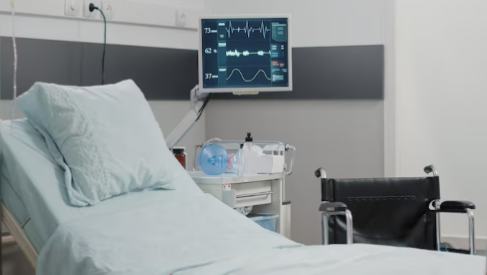
The Future of Intelligent Hospital Bed Systems
The future of hospital beds is closely tied to advancements in artificial intelligence, automation, and smart healthcare systems. Emerging technologies are expected to make beds more predictive, capable of identifying potential health risks before they become critical. For example, AI-driven systems may analyse patient movement patterns to detect early signs of deterioration or discomfort.
Integration with hospital-wide digital networks will also become more advanced. Beds may communicate directly with electronic health records, updating patient data automatically and improving coordination between departments. This level of connectivity supports a more unified and efficient healthcare ecosystem.
There is also growing potential for adaptive environments where hospital beds respond dynamically to patient needs. This could include automatic repositioning based on sleep patterns, environmental adjustments such as lighting and temperature control, and enhanced interaction between patients and care systems.
Evolving Standards of Care and Patient Experience
Hospital beds now represent far more than medical equipment; they are central to the patient experience. Their design reflects a broader commitment to dignity, comfort, and personalised care. As healthcare continues to evolve, these systems will play an increasingly important role in shaping recovery experiences and improving clinical outcomes.
The continuous refinement of hospital bed technology demonstrates how even the most fundamental aspects of healthcare can be transformed through innovation. By combining engineering precision with patient-centred design, modern hospital beds contribute significantly to safer, more efficient, and more compassionate healthcare environments.

Pun enthusiast, wordplay wizard, and the mastermind behind Funnnypuns.com. David turns everyday language into laugh-out-loud moments—one pun at a time!



Leave a Comment