

Introduction to a Transformative Design Tool
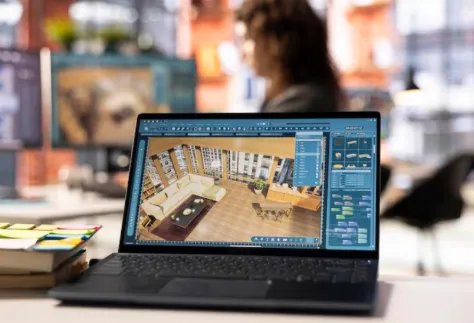
In the fast-changing world of architecture, engineering, and construction, digital tools have become essential in shaping how projects are planned and executed. Among these tools, Autodesk Revit has emerged as one of the most influential platforms, redefining how professionals approach building design and collaboration. Working with a reliable revit software reseller can help businesses gain proper licensing support, training resources, and access to the latest software updates. It is not simply a drafting tool but a complete environment where ideas, data, and execution come together in a unified system.
As the demand for smarter, more efficient buildings grows, the importance of advanced software solutions continues to rise. Revit stands at the centre of this transformation, enabling professionals to move beyond traditional methods and embrace a more integrated and intelligent approach to construction. Its ability to handle complex information while maintaining clarity has made it a cornerstone in the industry
The Origins and Evolution of Revit
The story of Revit begins in the early years of the digital design revolution. Originally developed by Charles River Software, the platform introduced a new concept that differed significantly from conventional drafting tools. Instead of focusing solely on drawing, it was built around the idea of managing building information in a dynamic and interconnected way.
When Autodesk acquired Revit in the early 2000s, the software entered a new phase of rapid development. Continuous updates and improvements expanded its capabilities, making it more powerful and adaptable to different types of projects. Over time, Revit evolved into a comprehensive solution that supports everything from initial design concepts to detailed construction documentation.
This evolution reflects a broader shift in the industry. Professionals began to recognise the value of working with data-rich models rather than static drawings. Revit’s growth mirrors this change, as it continues to adapt to the increasing complexity of modern construction projects.
Understanding Building Information Modelling
At the heart of Revit lies the concept of building information modeling, often referred to as BIM. This approach transforms how buildings are designed by integrating all aspects of a project into a single digital model. Instead of working with separate files and disconnected systems, BIM allows every element to exist within a unified environment.
This method ensures that all project data is interconnected. When a change is made in one part of the model, it automatically updates across the entire project. This level of coordination reduces errors and improves efficiency, making it easier for teams to maintain consistency throughout the design process.
BIM also enhances communication between different disciplines. Architects, engineers, and contractors can work together within the same model, ensuring that everyone has access to the most up-to-date information. This collaborative approach is one of the key reasons why Revit has become so widely adopted. This level of digital integration is particularly useful when mapping out site logistics, enabling planners to coordinate directly with a specialist Traffic Management Company Chester to simulate vehicle routing and safe public detours inside the model before breaking ground.
Core Features That Define Revit
Revit’s strength lies in its ability to combine multiple functions into a single platform. One of its most notable features is parametric modelling, which allows users to define relationships between different elements in a design. This means that adjustments can be made quickly and accurately, with the system automatically updating related components.
Another important aspect of Revit is its support for multidisciplinary workflows. The software includes tools tailored for architectural design, structural engineering, and mechanical systems. This integration ensures that all aspects of a building can be developed in harmony, reducing the likelihood of conflicts during construction.
Visualisation is another area where Revit excels. The platform allows users to create detailed renderings that bring designs to life. These visual representations help stakeholders understand the project more clearly, making it easier to communicate ideas and secure approvals.
Collaboration in a Connected Environment
One of the defining features of Revit is its ability to support collaboration. In today’s globalised industry, teams often work across different locations and time zones. Revit addresses this challenge by enabling multiple users to work on the same project simultaneously.
Cloud integration plays a significant role in this process. Through platforms like Autodesk BIM 360, project data can be accessed and updated in real time. This reduces delays and ensures that everyone is working with the latest information.
Collaboration within Revit also improves coordination between disciplines. By working within a shared model, teams can identify potential issues early in the design phase. This proactive approach helps prevent costly mistakes and streamlines the overall workflow.
Interoperability and System Integration
In a complex project environment, no single tool can operate in isolation. Revit addresses this by offering strong interoperability with other software platforms. It supports a wide range of file formats, making it easier to exchange data with different systems.
Integration with tools like AutoCAD ensures that existing workflows can be maintained while transitioning to more advanced methods. This flexibility is crucial for organisations that rely on multiple software solutions.
Revit also offers an application programming interface that allows developers to create custom tools and extensions. This adaptability ensures that the software can be tailored to meet specific project requirements, making it suitable for a wide range of applications

Driving Sustainability in Construction
Sustainability has become a central focus in the construction industry, and Revit plays a key role in supporting environmentally responsible design. The software includes tools that allow users to analyse energy performance and assess environmental impact.
By simulating different design scenarios, professionals can make informed decisions that improve efficiency and reduce resource consumption. This capability is particularly important in meeting green building standards and certifications.
Revit also contributes to sustainability by reducing waste. Its ability to generate accurate schedules and material estimates helps minimise excess usage, ensuring that resources are used more effectively throughout the project lifecycle.
Enhancing Efficiency and Productivity
Efficiency is one of the main reasons why organisations adopt Revit. The software automates many of the repetitive tasks associated with traditional design methods. This allows professionals to focus more on creativity and problem-solving rather than manual processes.
Features such as automated documentation and quantity takeoffs streamline project management. These tools provide valuable insights that help teams make better decisions and maintain control over budgets and timelines.
The ability to manage all aspects of a project within a single platform also reduces the need for multiple systems. This not only saves time but also simplifies the overall workflow, making it easier to coordinate complex projects.
The Learning Curve and User Experience
While Revit offers many advantages, it also presents challenges, particularly for new users. The software’s comprehensive features can be overwhelming at first, requiring time and dedication to master.
Training and support play a crucial role in overcoming this challenge. Many organisations rely on specialised training programmes to help their teams develop the necessary skills. Over time, users become more comfortable with the platform, unlocking its full potential.
Despite the initial learning curve, the long-term benefits of using Revit often outweigh the challenges. Once users become familiar with its capabilities, they can work more efficiently and produce higher-quality results.
The Role of Resellers and Support Networks
Access to Revit is often facilitated through authorised resellers who provide more than just the software itself. These partners offer valuable services such as technical support, training, and customised solutions tailored to specific business needs.
Resellers help organisations implement Revit effectively, ensuring that they can maximise its capabilities. Their expertise is particularly useful for companies transitioning from traditional design methods to BIM-based workflows.
In addition to reseller support, the global Revit community provides a wealth of resources. Online forums, tutorials, and professional networks allow users to share knowledge and learn from one another, creating a collaborative learning environment.
Future Developments and Industry Trends
The future of Revit is closely tied to advancements in technology. Innovations in artificial intelligence and machine learning are expected to enhance the software’s capabilities, making it even more efficient and intuitive.
Automation is likely to play a larger role, allowing repetitive tasks to be handled more effectively. This will enable professionals to focus on higher-level design and decision-making processes.
Integration with emerging technologies such as virtual reality and augmented reality will further expand Revit’s potential. These tools will allow users to experience designs in immersive environments, improving understanding and communication.
Conclusion: A Tool Shaping the Future of Construction
Revit has transformed the way buildings are designed, constructed, and managed. Its ability to integrate data, enhance collaboration, and improve efficiency has made it an essential tool in the modern construction industry.
As technology continues to evolve, Revit will remain at the forefront of innovation, adapting to new challenges and opportunities. Its role in shaping the future of architecture and engineering is undeniable, providing professionals with the tools they need to create smarter, more sustainable buildings.
By embracing platforms like Revit, the industry moves closer to a future where design and construction are seamlessly connected. This transformation not only improves project outcomes but also redefines what is possible in the built environment.

Pun enthusiast, wordplay wizard, and the mastermind behind Funnnypuns.com. David turns everyday language into laugh-out-loud moments—one pun at a time!






Leave a Comment