

Building Foundations Through Early Golf Education
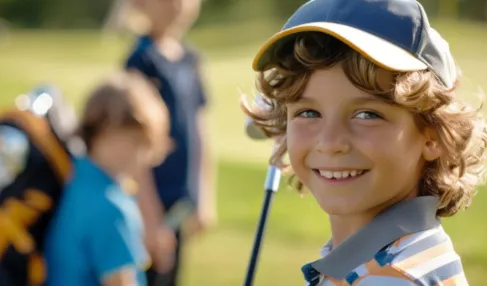
Junior golf training has become a defining pathway for introducing young players to a sport that values patience, discipline, and precision. Far beyond simply learning how to swing a club, junior golf classes create a structured environment where children can gradually build confidence while understanding the deeper rhythm of the game. In these formative years, exposure to proper instruction plays a crucial role in shaping both athletic ability and personal character.
Unlike casual play, structured junior golf education focuses on progressive learning. Each stage is carefully designed to match the physical and cognitive development of the child, ensuring that techniques are introduced in a way that feels natural rather than overwhelming. This method allows young learners to build a strong foundation that can support advanced skills in later years.
Physical Development and Athletic Coordination
One of the most immediate benefits of junior golf training is its contribution to physical development. Although golf may appear less physically demanding compared to high-intensity sports, it actually requires a complex combination of balance, flexibility, coordination, and controlled strength. Young players develop these abilities gradually through repeated practice and guided instruction.
Walking the course also encourages endurance and overall cardiovascular activity, while repeated swinging motions strengthen core muscles and improve posture. Over time, children gain better control of their body movements, which can benefit them not only in golf but in other physical activities as well. This kind of development is particularly important during childhood, when the body is still forming foundational motor skills.
Mental Strength and Emotional Growth Through Golf
Beyond physical benefits, junior golf training plays a powerful role in shaping mental resilience. Golf is a sport that demands patience, concentration, and emotional control, especially when faced with challenges on the course. Young learners quickly discover that success in golf does not come from speed or force but from thoughtful decision-making and steady focus.
This environment naturally teaches children how to handle both success and setbacks. A missed shot or a difficult round becomes an opportunity for reflection rather than frustration. Over time, this mindset helps children develop emotional stability and perseverance, qualities that extend well beyond sports and into academic and personal life.
Instructional Approaches That Support Young Learners
Junior golf coaching is most effective when it adapts to the learning styles of children. Instead of rigid instruction, many modern programmes incorporate engaging and interactive methods that make learning enjoyable. Coaches often use simplified explanations, visual demonstrations, and guided repetition to help children grasp fundamental techniques.
A key part of this process is recognising that each child learns at a different pace. Some may quickly understand swing mechanics, while others may need more time to develop coordination. Skilled instructors adjust their approach accordingly, ensuring that no child feels left behind. This personalised attention helps maintain motivation and encourages steady progress.
The Role of Play and Engagement in Skill Development
In junior golf training, learning is often blended with play to maintain engagement. Games that focus on accuracy, distance control, or putting challenges are commonly used to reinforce skills in a fun and relaxed environment. This approach helps children absorb technical knowledge without feeling pressured, making practice sessions something they look forward to rather than avoid.
By transforming drills into interactive experiences, coaches create a positive relationship between the child and the sport. This emotional connection is essential for long-term interest, as it encourages consistent participation and sustained improvement.
Technology’s Growing Influence in Junior Golf Training
Modern junior golf programmes increasingly incorporate technology to enhance learning outcomes. Video analysis is one of the most widely used tools, allowing young players to see their movements in real time or slow motion. This visual feedback helps them understand posture, swing alignment, and timing more clearly than verbal instruction alone.
Simulation tools also play an important role by recreating real-course scenarios in controlled environments. These systems allow students to experience different playing conditions without leaving the training facility. An at-home outdoor golf simulator offers a convenient and engaging way to encourage more frequent practice for young golfers, helping them develop their skills and build confidence between lessons. As a result, children gain exposure to a wider range of situations, helping them build adaptability and confidence.
Digital coaching tools and performance tracking systems further enhance development by allowing progress to be monitored over time. This structured feedback helps both students and coaches identify areas of improvement and set achievable goals.
Social Development and Team Interaction
Junior golf training is not only about individual skill building but also about social development. Group classes provide opportunities for children to interact with peers who share similar interests. Through shared practice sessions and friendly competition, they learn important social values such as respect, communication, and teamwork.
Golf also teaches etiquette, which plays a central role in the sport. Children are guided to behave respectfully toward fellow players, instructors, and the course itself. These values help shape responsible behaviour that extends into everyday life, reinforcing discipline and consideration for others.
Friendships formed during training sessions often add to the enjoyment of the experience, making the learning environment more supportive and encouraging.
Competitive Exposure and Character Building
As children progress in their training, competitive play becomes an important part of development. Participation in tournaments introduces them to real-game pressure and helps them apply what they have learnt in structured environments. These experiences are valuable in teaching emotional control and strategic thinking.
Winning and losing both serve as learning experiences. Success builds confidence, while setbacks teach resilience and adaptability. Over time, children begin to understand that improvement comes through continuous effort rather than immediate results. This mindset is one of the most valuable outcomes of junior golf training.
Encouraging Long-Term Engagement with the Sport
One of the most meaningful impacts of junior golf education is its ability to foster lifelong interest in the sport. Many individuals who begin golf as children continue to play into adulthood, carrying forward the skills and values they developed early on.
This long-term engagement can open doors to opportunities such as competitive participation, educational scholarships, or even professional pathways in sports-related industries. More importantly, it provides a recreational activity that supports health, relaxation, and social connection throughout life.
Safe and Supportive Learning Environments
Safety and emotional well-being are essential components of junior golf programmes. Training environments are carefully designed to ensure that children can learn without risk or fear. Equipment is often adapted for younger players, and supervision is maintained at all times to prevent accidents.
Equally important is emotional safety. Positive reinforcement, encouragement, and patience from instructors help build a supportive atmosphere where children feel comfortable making mistakes and learning from them. This nurturing environment plays a major role in sustaining interest and motivation.
The Influence of Skilled Coaching and Mentorship
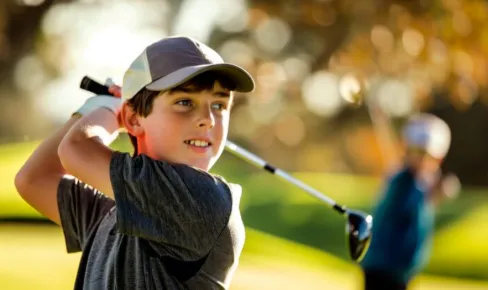
In junior golf development, instructors serve as both teachers and mentors. Their role extends beyond technical training to include emotional guidance and personal encouragement. A strong coach can inspire confidence, instil discipline, and help children develop a genuine appreciation for the game.
Experienced instructors understand how to communicate with young learners in a way that builds trust and enthusiasm. Their guidance helps shape not only better golfers but also more focused and resilient individuals.
A Lasting Foundation for Growth and Opportunity
Junior golf training represents more than an introduction to a sport. It is a comprehensive developmental experience that influences physical ability, emotional intelligence, and social behaviour. Through structured learning, technological integration, and supportive mentorship, young players are given the tools to grow both on and off the course.
As interest in youth sports continues to rise, junior golf remains a strong example of how structured athletic programmes can shape well-rounded individuals while nurturing a lifelong appreciation for discipline, focus, and personal improvement.

Pun enthusiast, wordplay wizard, and the mastermind behind Funnnypuns.com. David turns everyday language into laugh-out-loud moments—one pun at a time!





Leave a Comment