


Choosing a lawn mower that matches your terrain saves time, reduces stress, and gives better results. Flat lawns, steep slopes, and rough or uneven ground each demand different designs, power levels, and safety features. Some yards benefit from traditional push or riding mowers, while others are perfect for advanced robotic options like the Sunseeker V1, which uses Vision AI to learn your yard and mow wire-free. This guide compares mower types, key features, and terrain needs so you can match your property to the right machine, cut smarter, and enjoy a cleaner, healthier lawn with less effort.
Which Lawn Mower Works Best for Different Terrain Types?
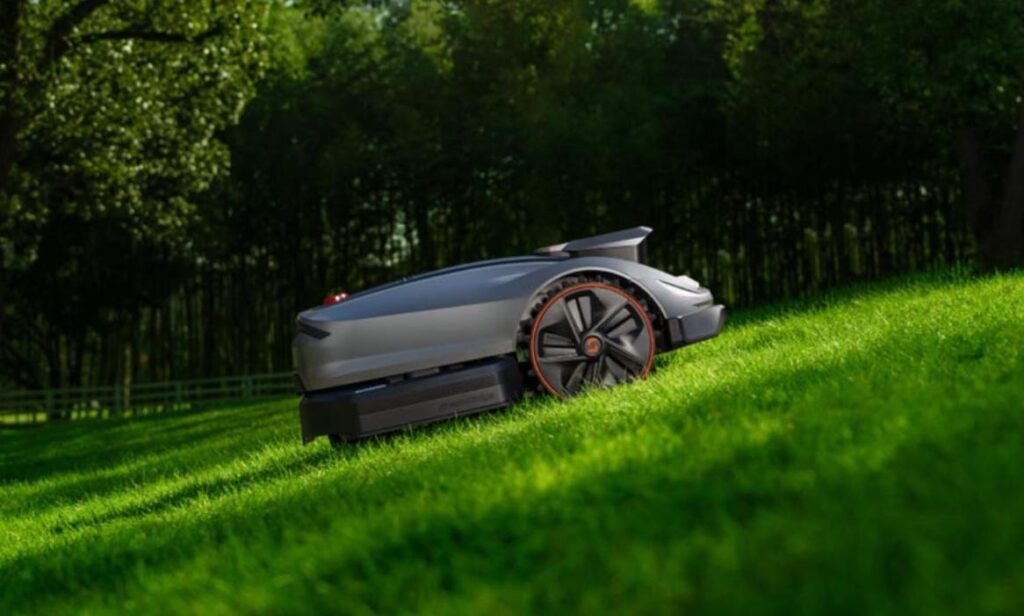
Flat, open lawns offer the most flexibility. Homeowners can use push, self-propelled, riding, zero-turn, or robotic mowers, focusing on deck size and speed. Hilly or sloped yards need strong traction, good balance, and safe handling; self-propelled or front-wheel drive designs, like the Sunseeker V1 with its ability to climb up to 15°/27%, maintain grip and control. Rough or uneven terrain benefits from floating decks that follow ground contours and larger wheels for stability. The Sunseeker V1’s floating cut helps deliver even results on mild bumps and transitions. Small, obstacle-filled urban lawns pair well with robotic mowers that use Vision AI to detect boundaries and avoid objects, while large, complex properties often combine riding mowers for open areas with precise robotic trimming around edges and tight spots.
What Lawn Mower Features Matter Most Across Different Terrains?
Wheel Design, Traction, and Maneuverability
Wheel size and tread directly affect grip and control. Larger rear wheels handle bumps and soft soil better, while deep treads improve traction on slopes and damp grass. Front-wheel drive suits flat lawns and makes turning easy, while rear-wheel drive helps push up hills. The Sunseeker V1 uses front-wheel drive for precise maneuvering and stable traction, which helps it climb slopes up to 15°/27% without slipping. Swivel or caster front wheels increase agility around trees and beds but need careful control on steeper ground. For tight spaces, robotic mowers with compact bodies turn smoothly in narrow areas and along edges. Good maneuverability reduces missed patches, lets you follow curves and borders accurately, and cuts mowing time on yards with complex layouts.
Cutting Deck Size, Height Adjustment, and Grass Handling
Deck size determines how much grass you cut in one pass. Small decks (14–18 inches) suit tiny, detailed yards, while larger decks (21–42 inches or more) work better on open spaces. A floating deck, like the system on the Sunseeker V1, helps keep the blade at a consistent height over uneven surfaces for a clean, even cut. Flexible height adjustment lets you raise blades for rough, uneven, or stressed grass, then lower them for a tight, manicured finish. Reliable grass handling matters too: mulching returns nutrients, bagging keeps lawns spotless, and side discharge works for tall or wet grass. Edge-cutting and ride-on-edge cutting, also found on the Sunseeker V1, reduce trimming work and deliver crisp borders along paths, patios, and flowerbeds.
Engine Power, Battery Performance, and Drive Systems
Engine power or battery output affects how well a mower handles thick, tall, or wet grass. Gas engines deliver strong torque for large or rough properties but require more maintenance. Battery mowers run quietly with low emissions and work well on small to medium lawns, assuming adequate runtime. Robotic models like the Sunseeker V1 use efficient batteries plus smart software. Vision AI plans paths, avoids obstacles, and prevents wasted passes, so each charge covers more ground. Drive systems also matter: push mowers rely on your strength, while self-propelled and robotic units do the work for you. The Sunseeker V1 combines front-wheel drive with intelligent docking and smart scheduling, returning to charge automatically and resuming work without manual intervention.
How Do You Choose the Right Lawn Mower for Your Property?
Matching Lawn Mower Types to Yard Size and Landscape Layout
Start with yard size. Small lawns under ¼ acre work well with push, compact self-propelled, or robotic mowers. Medium yards to about ½ acre often need self-propelled or high-capacity robotic models that handle regular schedules without constant supervision. Large properties over ½ acre usually benefit from riding or zero-turn mowers, possibly supported by a robotic mower for tricky corners and edges. Consider layout as much as size. Tight spaces, narrow gates, and many obstacles favor agile machines. The Sunseeker V1, with its light 6.7 kg body and Vision AI, navigates around beds, furniture, and trees easily. Open, straight runs suit wide decks, while curved borders demand precise edge-cutting to avoid manual trimming after each mow.
Comparing Push, Self-Propelled, Riding, Zero-Turn, and Robotic Mowers
Push mowers cost less and suit small, flat lawns, but they rely entirely on your effort. Self-propelled models reduce strain and handle moderate slopes better. Riding mowers save time on larger properties and give comfortable control, even with attachments. Zero-turn mowers offer the fastest mowing and best maneuverability around trees and beds, ideal for large, complex landscapes. Robotic mowers change the game for convenience. The Sunseeker V1 skips perimeter wires and complex mapping; ReadyGo™ allows setup in about 10 minutes. Vision AI recognizes grass boundaries, avoids 360+ obstacles, and returns to its dock automatically. Floating cut, edge cutting, and ride-on-edge cutting deliver a neat finish. Its Wi-Fi/Bluetooth app, LED display, and easy lifting make it accessible for almost any household.
Balancing Cost, Maintenance, and Long-Term Value
Initial price tells only part of the story. Gas riding and zero-turn mowers often cost more upfront and need fuel, oil changes, filters, and belt checks. Battery push or self-propelled mowers reduce running costs but may need battery replacements after several years. Robotic mowers like the Sunseeker V1 require blades and battery care, yet they save time and reduce fuel and labor expenses. With no perimeter wire to install or repair, the Sunseeker V1 lowers setup cost and hassle. Vision AI avoids obstacles, reducing damage to landscaping, toys, and the mower itself. Smart schedules keep grass at an ideal height, improving lawn health and lowering weed control needs. Over time, these efficiencies can offset the higher purchase price.
Conclusion
Matching mower type and features to your terrain leads to better results, safer operation, and less work. Flat lawns offer wide flexibility, while slopes and rough patches demand traction, stability, and floating cuts. Consider yard size, layout, and how much time you want to spend mowing. Traditional push, self-propelled, riding, and zero-turn mowers all have clear roles, but advanced robotic options like the Sunseeker robot lawn mower V1 add powerful Vision AI, wire-free setup, and precise edge cutting. By weighing cost, maintenance, and long-term value, you can choose a mower that keeps your lawn healthy and your weekends free.

Pun enthusiast, wordplay wizard, and the mastermind behind Funnnypuns.com. David turns everyday language into laugh-out-loud moments—one pun at a time!




Leave a Comment