

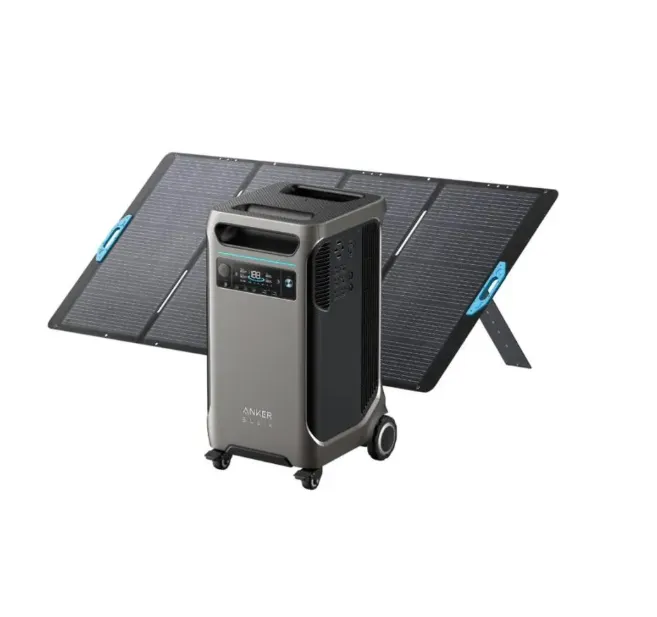
RV owners want flexible power without relying on noisy generators or crowded campgrounds with hookups. Portable power stations promise silent, plug‑and‑play electricity for road trips, boondocking, and weekend camping. But can a single unit actually power an entire RV, or will it only handle a few small devices? The answer depends on your rig, how you travel, and what you expect to run at the same time. To make a smart choice, you need to understand how much energy your RV actually uses, what portable stations can safely deliver, and where their limits sit. This guide explains power needs, real‑world expectations, and key features, so you can decide whether a portable power station fits your RV lifestyle.
How Much Power Does an RV Need?
Common RV Appliances and Their Power Consumption
Every RV carries a mix of low‑draw electronics and heavy‑draw appliances. LED lights, phone chargers, routers, and fans often use 5–60 watts each. A 12V water pump may draw 60–120 watts while running. Laptops sit around 50–90 watts, and a small TV can use 40–120 watts. The real power hogs include microwave ovens (800–1,500 watts), coffee makers (600–1,200 watts), hair dryers (1,000–1,800 watts), and electric kettles or induction cooktops (1,000–2,000 watts). Air conditioners draw even more: many rooftop units need 1,500–3,000 watts to start and 1,200–1,800 watts to run. Electric space heaters and electric water heaters also consume a lot, often 1,000–1,500 watts or more.
Calculating Your Daily Energy Requirements
To size a portable power station, list each appliance, note its watts, and estimate how many hours per day you use it. Multiply watts by hours to get watt‑hours (Wh). For example, a 60‑watt laptop for 4 hours uses 240Wh. A 1,000‑watt microwave for 15 minutes uses about 250Wh. Add up all devices to find your daily total. Many RVers who avoid running air conditioning use between 800 and 2,500Wh per day. If you plan to run AC or multiple cooking appliances, your usage climbs quickly. Divide your power station’s usable capacity by your daily needs to estimate how many days it can support you between full charges.
Can a Portable Power Station Handle Full RV Power Needs?
What It Can Power Successfully
A well‑sized portable power station can comfortably handle basic RV needs, especially for weekend trips or minimalist setups. Most mid‑range units can run LED lighting, charge phones and laptops, power a 12V fridge, operate the water pump, and keep a Wi‑Fi router or small TV going. Short, controlled use of a microwave, coffee maker, or blender also works if the inverter’s continuous and surge ratings are high enough. Many modern stations support pass‑through charging, so you can recharge from solar or shore power while running loads. Paired with roof or portable solar panels, a quality unit can sustain daily essentials indefinitely in sunny conditions, making it ideal for boondocking or as a quiet alternative to a traditional gas generator.
Key Limitations to Consider
Even powerful portable stations face limits inside an RV. Most struggle with large air conditioners, electric space heaters, and full-time use of high-watt kitchen appliances. Running a rooftop AC can drain several kilowatt-hours in a few hours, which exceeds the capacity of many consumer units. Some stations cannot handle the high surge current when compressors or large motors start. You also need to consider simultaneous loads: running the microwave, coffee maker, and hair dryer together can exceed the inverter’s continuous output. Recharging speed matters too; slow solar or vehicle charging may not keep up with heavy use. This is why many RV owners carefully compare capacity, output, and charging options when shopping during the Portable Power Station Prime Day Sale, as larger units often better support demanding appliances. Finally, weight and cost rise sharply as capacity increases, making very large setups less portable and more expensive than a small dedicated RV inverter generator.
Choosing the Right Portable Power Station for Your RV
Battery Capacity and Output Requirements
Start with capacity measured in watt‑hours. Aim for a battery that covers at least one day of your typical use, then add a buffer for cloudy days or extra loads. Lightweight travelers with 12V fridges and electronics often do well with 1,000–2,000Wh. Families or digital nomads who cook often and work remotely may need 2,000–3,000Wh or more. Next, check continuous and surge inverter ratings. Ensure the inverter can handle your largest single appliance plus a safety margin, often 20–30%. If you ever plan to run a small AC or induction cooktop, look for at least 2,000W continuous and high surge capacity. Also verify output ports: 30A RV plugs, standard AC outlets, 12V car ports, and regulated DC outputs all affect compatibility.
Essential Features for RV Travelers
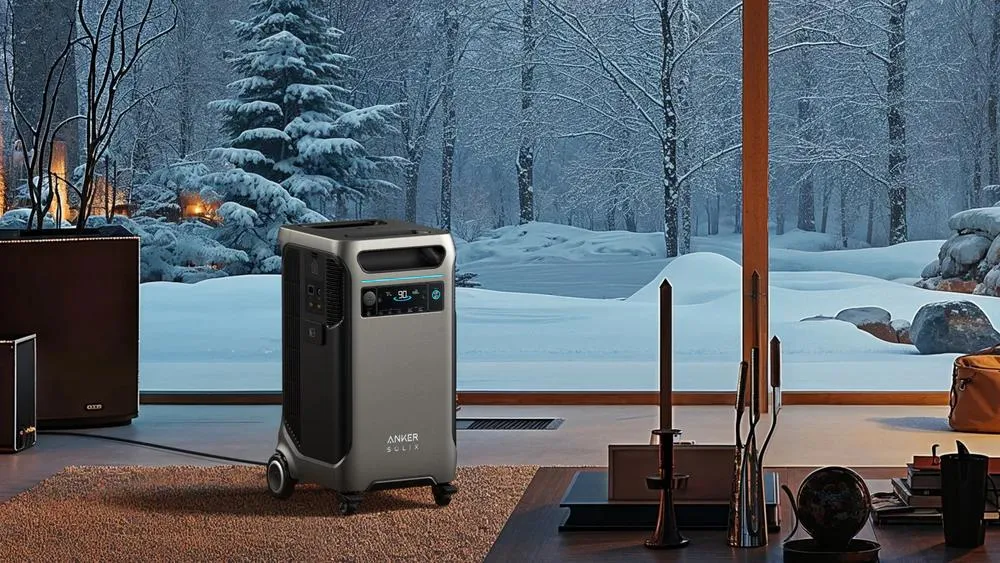
Certain features make a portable power station far more practical in an RV. Fast recharge options, such as high‑watt solar input and AC charging, reduce downtime. Look for MPPT solar controllers, which maximize panel output and simplify off‑grid setups. A clear display that shows input, output, and remaining time helps you manage power use in real time. Multiple AC outlets, USB‑C PD ports, and 12V outputs let you power several devices without extra adapters. Expandable battery options allow you to grow your system later. Quiet cooling fans matter in small interiors. For safety, prioritize pure sine wave inverters, robust battery management systems, and certifications. Finally, check operating temperature ranges if you travel in very hot deserts or cold mountain areas.
Conclusion
A portable power station can support many RV lifestyles, but it might not replace every form of shore power or a generator. For travelers who avoid electric heaters and full‑time air conditioning, a mid‑to‑large station paired with solar often covers lighting, refrigeration, electronics, and short bursts of cooking. Heavy users and those in hot climates may still rely on campground hookups or a dedicated generator for peak loads. The key lies in matching your real energy habits to the station’s capacity, inverter strength, and recharge options. By calculating your daily use and focusing on essential features, you can choose a portable power setup that keeps your RV comfortable, flexible, and ready for off‑grid adventures.

Pun enthusiast, wordplay wizard, and the mastermind behind Funnnypuns.com. David turns everyday language into laugh-out-loud moments—one pun at a time!






Leave a Comment