

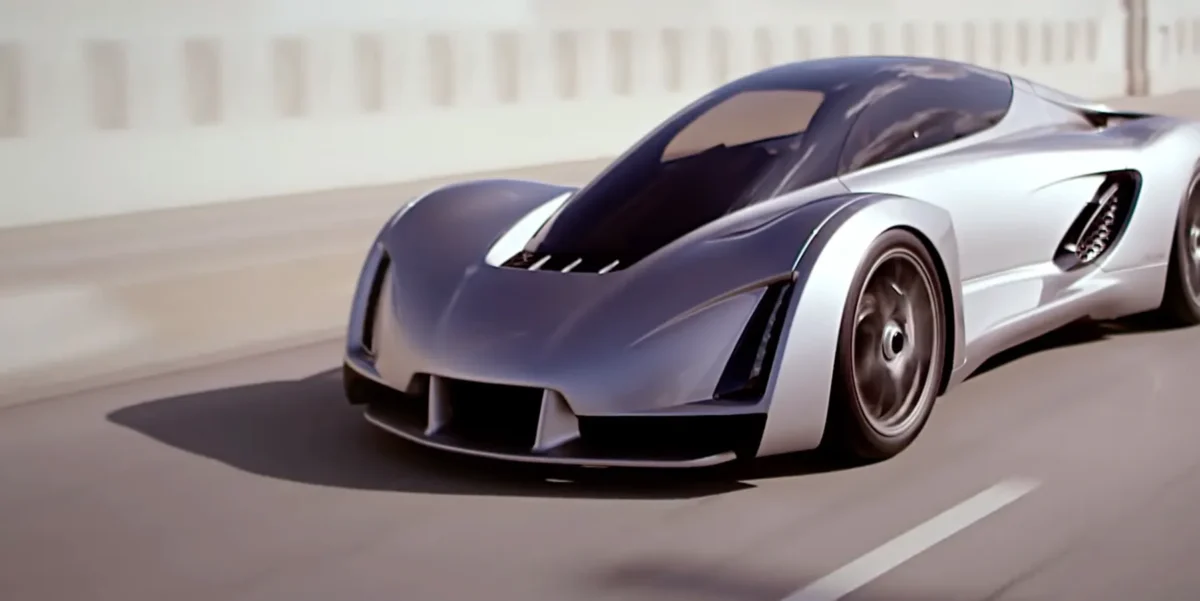
The automotive industry is undergoing one of the biggest transformations in history. Future cars are no longer just about speed or luxury—they are about technology, sustainability, and intelligence. From fully electric vehicles (EVs) to autonomous robotaxis and hydrogen-powered sports cars, the next generation of vehicles is set to redefine how we travel.
In the coming years, major automakers like Tesla, BYD, Hyundai, and Ferrari are investing billions into innovation. These companies are not just building cars—they are shaping the future of mobility.
This article explores the most exciting future cars and technologies that will change the automotive industry forever.
The Rise of Electric Vehicles (EVs)
Electric vehicles are leading the automotive revolution. Almost every major manufacturer is transitioning from petrol and diesel engines to electric power. Modern EVs offer longer range, faster acceleration, and lower emissions, making them a practical alternative to traditional vehicles.
Manufacturers are introducing new electric models at a rapid pace. Cars like the Ferrari Luce and BYD Seal 08 showcase how EVs can combine performance with efficiency. As battery costs decrease and charging infrastructure improves, electric vehicles are becoming more accessible worldwide.
Autonomous (Self-Driving) Cars
Self-driving technology is one of the most revolutionary changes in the auto industry. Companies are racing to develop vehicles that can operate without human input. The Tesla Cybercab is one example of a fully autonomous concept designed without a steering wheel or pedals.
Autonomous vehicles rely on artificial intelligence, sensors, and cameras to navigate roads safely. As this technology matures, it could reduce accidents, improve traffic flow, and change how people think about car ownership. In the future, many people may rely on on-demand driverless services instead of owning personal vehicles.
Hydrogen-Powered and Hybrid Innovations
While electric vehicles dominate headlines, hydrogen-powered cars are also gaining traction. These vehicles use fuel cells to generate electricity, offering longer range and faster refueling compared to traditional EVs.
The Hyundai N Vision 74 is a standout example, combining hydrogen fuel technology with electric performance. Hybrid vehicles are also evolving, using both fuel and electric power to deliver better efficiency and reduced emissions.
AI-Powered Smart Cars
Artificial intelligence is transforming vehicles into intelligent systems. Future cars will not only drive but also learn from user behavior and adapt to individual preferences. Features such as voice control, predictive navigation, and driver monitoring are already becoming common.
AI systems can improve safety by detecting potential hazards and assisting drivers in real time. These advancements will make driving safer and more convenient, turning cars into smart companions on the road.
Ultra-Fast Charging and Battery Breakthroughs
One of the biggest challenges for electric vehicles has been charging time. However, new battery technologies are addressing this issue. Companies like BYD are working on ultra-fast charging systems that can significantly reduce charging times.
Future developments may include solid-state batteries, which offer higher energy density and improved safety. Wireless charging roads and longer-lasting batteries are also being explored, making EVs even more practical for everyday use.
Concept Cars and Futuristic Designs
Future cars are not only technologically advanced but also visually striking. Designers are experimenting with new shapes, materials, and layouts to create vehicles that are both efficient and appealing.
Minimalist interiors, large digital displays, and sustainable materials are becoming standard in modern designs. Some concept vehicles even explore flying capabilities, hinting at a future where transportation goes beyond traditional roads. As future cars continue to evolve with smarter automation and advanced mobility systems, owners will also increasingly rely on professional logistics solutions like a Chicago Car Shipping Company to safely transport vehicles without adding unnecessary mileage or risking damage during long-distance moves.
Shared Mobility and Robotaxi Services
The future of transportation is shifting from individual ownership to shared mobility. Robotaxi services are expected to play a significant role in urban transportation systems. These services allow users to summon vehicles through mobile apps, reducing the need for private car ownership.
Companies are investing in fleets of autonomous vehicles to provide affordable and efficient transport solutions. This shift could reduce traffic congestion, lower emissions, and make transportation more accessible.
Sustainability and Eco-Friendly Materials
Sustainability is a key focus for the future of the automotive industry. Automakers are adopting eco-friendly materials and energy-efficient production methods to reduce their environmental impact.
Recycled materials, biodegradable components, and cleaner manufacturing processes are becoming standard practices. These changes are essential in addressing global climate challenges and promoting a greener future.
Conclusion
The future of cars is driven by innovation and sustainability. Electric vehicles, autonomous driving, AI technology, and eco-friendly materials are transforming the automotive industry at an unprecedented pace.
From advanced EVs to intelligent self-driving systems, the cars of tomorrow will be smarter, cleaner, and more efficient. As technology continues to evolve, the automotive landscape will continue to change, offering new possibilities for how people travel and interact with vehicles.

Pun enthusiast, wordplay wizard, and the mastermind behind Funnnypuns.com. David turns everyday language into laugh-out-loud moments—one pun at a time!


Leave a Comment