

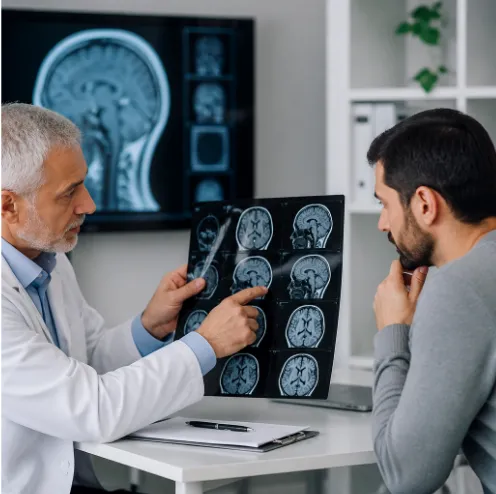
A brain tumor diagnosis is one of the most overwhelming moments a person and their family can face. The path from diagnosis to treatment involves a cascade of decisions, consultations, and preparations that can feel impossible to manage without the right guidance. Whether the tumor is benign or malignant, primary or metastatic, the treatment journey demands both medical precision and emotional resilience. Understanding what lies ahead — from pre-surgical evaluations to post-operative recovery — can make a meaningful difference in outcomes and quality of life.
Understanding the Complexity of Brain Tumor Diagnoses
Not all brain tumors are created equal. Glioblastomas, meningiomas, acoustic neuromas, and metastatic lesions each carry distinct biological behaviors, treatment protocols, and prognoses. The grade and type of tumor — determined through imaging studies like MRI and confirmed via biopsy — dictates the entire treatment strategy. A multidisciplinary team including neurosurgeons, neuro-oncologists, radiation oncologists, and neurologists must collaborate to design a plan that is both aggressive against the tumor and protective of surrounding healthy brain tissue.
Modern neurological oncology has moved well beyond the era of one-size-fits-all surgery. Today, treatment may involve a combination of surgical resection, stereotactic radiosurgery, chemotherapy, immunotherapy, and targeted molecular therapies. The sequence and combination of these approaches depend heavily on tumor genetics, patient health status, and tumor location relative to eloquent brain regions responsible for speech, movement, and cognition.
The Role of Genetic and Molecular Profiling
One of the most significant advances in neuro-oncology over the past decade is the integration of molecular profiling into treatment planning. Identifying mutations such as IDH1/IDH2, MGMT promoter methylation, and 1p/19q co-deletion allows oncologists to predict how a tumor will respond to specific therapies. This level of personalization means that two patients with visually similar tumors on an MRI may receive entirely different treatment regimens — and both may be correct for their individual biology.
Pre-Surgical Preparation: A Critical Phase Often Overlooked
The weeks leading up to brain tumor surgery are medically dense. Patients undergo functional MRI, neuropsychological testing, and sometimes awake craniotomy planning to map critical brain functions. Anesthesia consultations, blood work, and medication adjustments — particularly for patients on anticoagulants or steroids — are all part of this phase. For patients managing additional health conditions, pre-surgical preparation becomes even more layered.
For instance, patients with autoimmune conditions face unique challenges before any major surgery. Those managing lupus, for example, must carefully coordinate with their rheumatologist and surgical team to manage immunosuppressive medications and reduce the risk of flares or infection. Resources like guidance on preparing for surgery when you have lupus highlight how critical it is to address comorbidities proactively, ensuring that the body is in the best possible condition before undergoing a procedure as demanding as a craniotomy.
Medication Management and Steroid Protocols
Brain tumors often cause surrounding edema, and corticosteroids like dexamethasone are commonly prescribed to reduce swelling before and after surgery. However, long-term steroid use carries its own risks — including elevated blood sugar, immune suppression, and mood disturbances. Surgical teams must carefully taper these medications while maintaining adequate tumor control. Patients should maintain an updated medication list and communicate openly with every member of their care team about all substances they are taking, including supplements.
The Hospital Environment and Recovery Technology
Post-operative recovery from brain tumor surgery is a highly monitored process. Patients typically spend time in a neurosurgical intensive care unit before transitioning to a standard ward. During this period, neurological checks are performed frequently to detect any changes in consciousness, motor function, or speech. The physical environment of recovery matters more than many patients realize.
Modern hospitals have invested significantly in patient comfort and safety technologies that directly influence recovery outcomes. Innovations in hospital infrastructure — from pressure-relieving mattress systems to smart monitoring beds — are reshaping what post-surgical recovery looks like. As explored in depth through next-generation patient care and smart hospital bed innovations, these advancements are not merely about comfort — they actively reduce complications like pressure injuries, deep vein thrombosis, and respiratory issues that can arise during extended bed rest after neurosurgery.
Rehabilitation After Brain Tumor Surgery
Depending on the tumor’s location and the extent of surgical intervention, patients may experience temporary or permanent changes in neurological function. Speech therapy, physical therapy, and occupational therapy often begin within days of surgery. Cognitive rehabilitation — addressing memory, attention, and executive function — is increasingly recognized as a vital component of comprehensive neuro-oncology care. Early and consistent rehabilitation significantly improves long-term functional outcomes and quality of life.
Choosing the Right Neurological Oncology Program
For patients in the Middle East and Gulf region, access to world-class neurological oncology care has expanded considerably in recent years. Seeking treatment at a center with a dedicated, multidisciplinary neurological oncology program is not a luxury — it is a clinical necessity. The difference between a general surgical center and a specialized neuro-oncology program can be measured in survival rates, complication rates, and quality of life outcomes.
Cleveland Clinic Abu Dhabi stands as a premier destination for patients seeking advanced neurological oncology care in the region. For those exploring brain tumor treatment Abu Dhabi, the institution offers a fully integrated program staffed by internationally trained specialists who bring the same clinical protocols and research-driven approaches found at one of the world’s most respected medical institutions. From initial diagnosis through surgery, adjuvant therapy, and long-term surveillance, patients receive coordinated, evidence-based care under one roof.
What to Look for in a Neurological Oncology Center
When evaluating a treatment center, patients and families should ask about tumor board meetings — multidisciplinary conferences where complex cases are reviewed collectively. They should inquire about access to clinical trials, intraoperative MRI capabilities, awake craniotomy expertise, and dedicated neuro-oncology nursing staff. Equally important is the availability of psychosocial support, palliative care integration, and patient navigation services that help families manage the logistical and emotional weight of a brain tumor diagnosis.
Conclusion: Preparation and Partnership Are Everything
Brain tumor treatment is not a single event — it is a sustained journey that demands preparation, expert guidance, and a care team that treats the whole patient, not just the tumor. From the moment of diagnosis through surgery, recovery, and ongoing monitoring, every decision carries weight. Patients who engage actively with their care team, ask informed questions, and seek out specialized centers are better positioned to navigate this journey with clarity and confidence. In a region where access to elite neurological oncology care continues to grow, patients no longer need to travel far to receive the standard of care they deserve.

Pun enthusiast, wordplay wizard, and the mastermind behind Funnnypuns.com. David turns everyday language into laugh-out-loud moments—one pun at a time!






Leave a Comment