

Here’s the thing nobody tells you when you’re shopping for a used trailer: the low price tag looks great until you’re three weeks in, dealing with a cracked axle and wiring that fails every time it rains. Most buyers learn this the hard way. You don’t have to.
A disciplined pre-purchase inspection isn’t just due diligence; it’s the difference between a smart investment and an expensive mistake. And the market is booming. According to rvnews.com, the pre-owned segment posted positive year-over-year growth of 1.57%, which means more options for buyers, but also more worn-out inventory quietly hitting the listings. This guide helps you cut through it.
A Real-World Checklist for Pre-Owned Utility Trailers
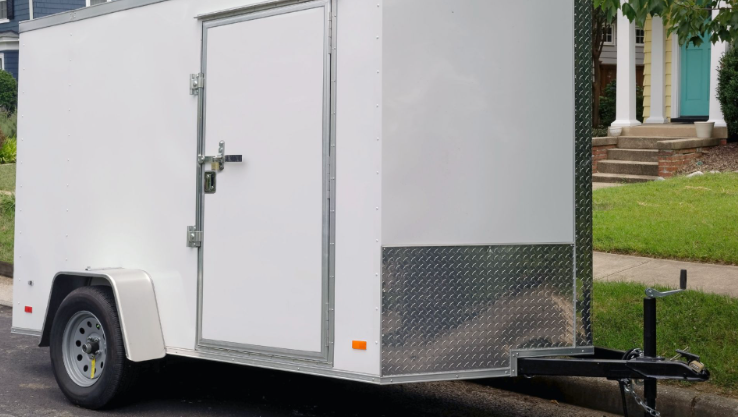
When browsing for a used cargo trailer for sale, platforms like Facebook Marketplace, Craigslist, and auction sites are worth checking, but approach every listing with discipline. Request multiple photos from different angles, ask for the VIN before you visit, and never wire money without holding a verified title.
Start With the Frame
The frame tells you everything. When evaluating any buying used utility trailer option, run your hands along the main rails and cross members. You’re feeling for rough patches, looking for weld repairs that weren’t done cleanly, and scanning for rust that’s gone past surface level. On wood-decked trailers, press the flooring firmly in multiple spots, soft areas mean rot underneath. Structural damage is the single costliest repair category. Don’t minimize it.
Axles, Alignment, and Running Gear
Stand behind the trailer and look at the wheel position. If anything looks off-center, that’s a misaligned axle talking. Uneven tire wear confirms it. Among the most reliable used trailer inspection tips is this one: check leaf springs for hairline cracks and give the wheel bearings a wiggle. Excessive play or a grinding sensation means money you weren’t planning to spend.
Tires, Brakes, and the Spare You Forget to Check
Here’s what most people overlook in their list of things to check before buying utility trailer, the DOT date code. It’s stamped right on the sidewall. Tires older than five years need replacement, full stop, regardless of how much tread remains. Dry rot doesn’t always look dramatic until it fails at highway speed. Also inspect brake drums or rotors on heavier trailers, check pad thickness, and look at the spare tire and its mount. It matters.
Electrical Systems and Wiring
Plug the trailer into your tow vehicle and test everything. Brake lights, running lights, markers, reverse lights. Look at the harness itself for spliced sections, heat damage, or wires routed dangerously close to hot components. A 7-pin connector that wobbles or corrodes freely isn’t just annoying; it can cause brake failures when you least expect them.
Coupler, Safety Chains, and Hitch Hardware
Knowing what to look for in a used utility trailer also means grabbing the tongue and testing the coupler yourself. There should be minimal play. Safety chains need to be rated for the trailer’s gross weight: not kinked, stretched, or showing surface cracks. A missing breakaway cable on a braked trailer is an immediate walk-away situation. No negotiating on that one.
Title, VIN, and Registration: Non-Negotiable
Before you commit to anything, match the VIN stamped on the frame against the paperwork. Any discrepancy; even a single digit is a hard stop. Run it through your state DMV portal or a third-party VIN service. Buying used utility trailer inventory without verifying this step is how people end up with stolen equipment they can’t legally register.
Pro-Level Tips That Separate Smart Buyers From the Rest
Know When to Walk Away
Bent frames, missing titles, re-stamped VINs, water staining inside enclosed trailers, none of these are negotiating points. They’re exit cues. Trailer rental bookings surged 82% in 2025 (neighborstrailers.com), meaning heavily used inventory is cycling back into the market at a faster rate. More wear, more hidden damage, more reason to be skeptical.
Ask the Seller the Uncomfortable Questions
How was this trailer used? Why is it being sold now? Are there service records? Sellers who get vague or evasive deserve more scrutiny, not benefit of the doubt. A confident seller with nothing to hide answers quickly.
Upgrades Worth Planning For
Once you’ve confirmed the trailer is fundamentally sound, think forward. LED lighting, a wireless backup camera, integrated toolboxes, a modular tie-down system, these are practical value-adds. A solar trickle charger for brake system batteries during storage is underrated and genuinely useful.
DIY Inspection or Hire a Mechanic?
Honestly? Both have merit. A DIY walkthrough handles the visual and mechanical basics well. But if the trailer has electric brakes or a more complex suspension setup, a professional mechanic’s inspection; typically $75 to $150, is money you’ll never regret spending. Compare that against a surprise $1,000 axle job.
Road Test Before You Sign
Hitch it up. Drive it. Vary your speed, take a curve, and apply the brakes deliberately. Notice any swaying, pulling, or lag. Add some weight if you can, even a rough load simulation reveals how the suspension actually behaves and whether braking is even. Write down what you notice. It becomes negotiating leverage.
The Bottom Line
A well-chosen used trailer is genuinely one of the smarter purchases you can make for your business or personal hauling needs. But it requires patience. Work through the frame, axles, tires, electrical system, and title documentation; every single step.
A low asking price should never be reason enough to skip the process. Take your time, ask the hard questions, and let this guide keep you grounded. The right trailer exists. Now you know exactly how to find it.
Common Questions, Answered Directly
What should you check on a second-hand trailer?
Start with rust; not just on the surface but in the welds, the undercarriage, and any areas where panels meet. Check for pinholes or crumbling powder coat, which signals deep corrosion. Then verify all lighting and hitch components function properly.
How do you inspect a used trailer before buying?
Begin with a rust and corrosion sweep across the full frame and underside. Look for signs of collision repair; welded patches, mismatched paint, or components that don’t quite fit. Follow up with axle alignment, brake condition, tire age, and electrical testing before making any final call.

Pun enthusiast, wordplay wizard, and the mastermind behind Funnnypuns.com. David turns everyday language into laugh-out-loud moments—one pun at a time!






Leave a Comment